When designing a high-end landscape, lighting is about more than just visibility; it requires a deep understanding of architectural integration and technical execution. At Hondel Lighting, our engineering team bridges the gap between professional design vision and on-site reality. We deploy advanced security, area, and uplighting solutions that enhance structural safety, highlight natural environments, and ensure uncompromising durability.
Path Lighting
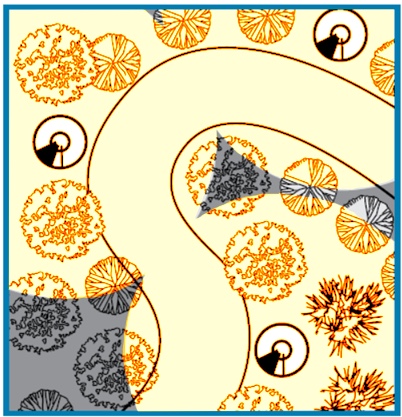
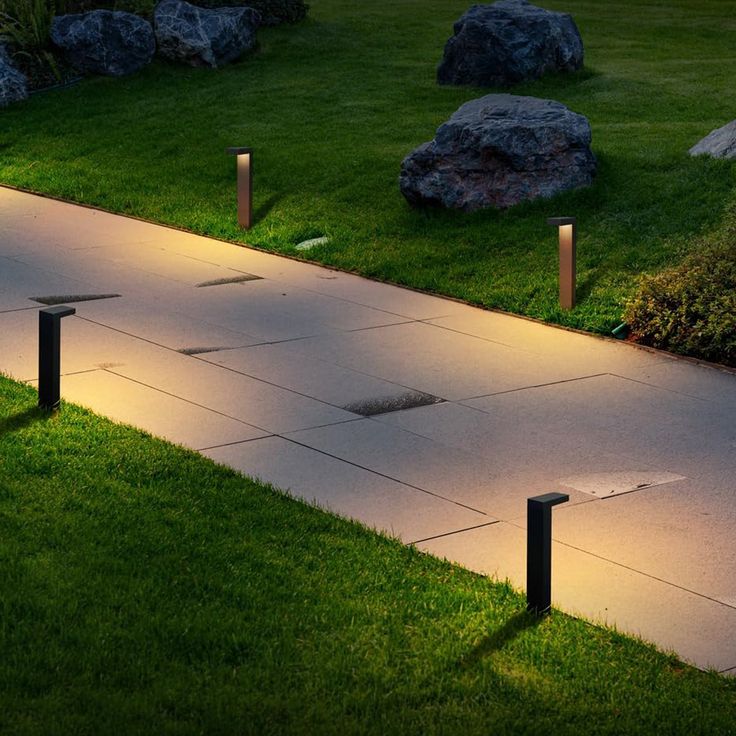
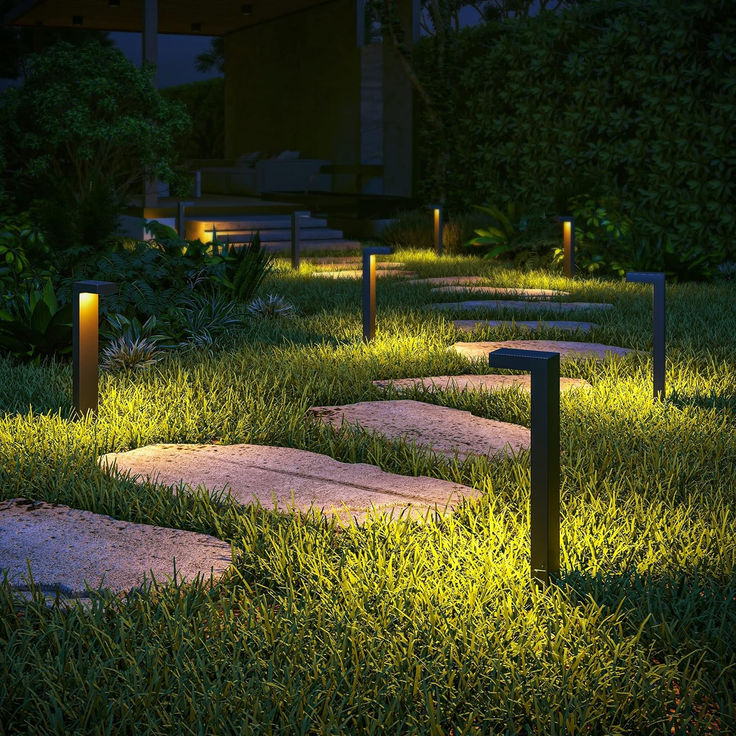
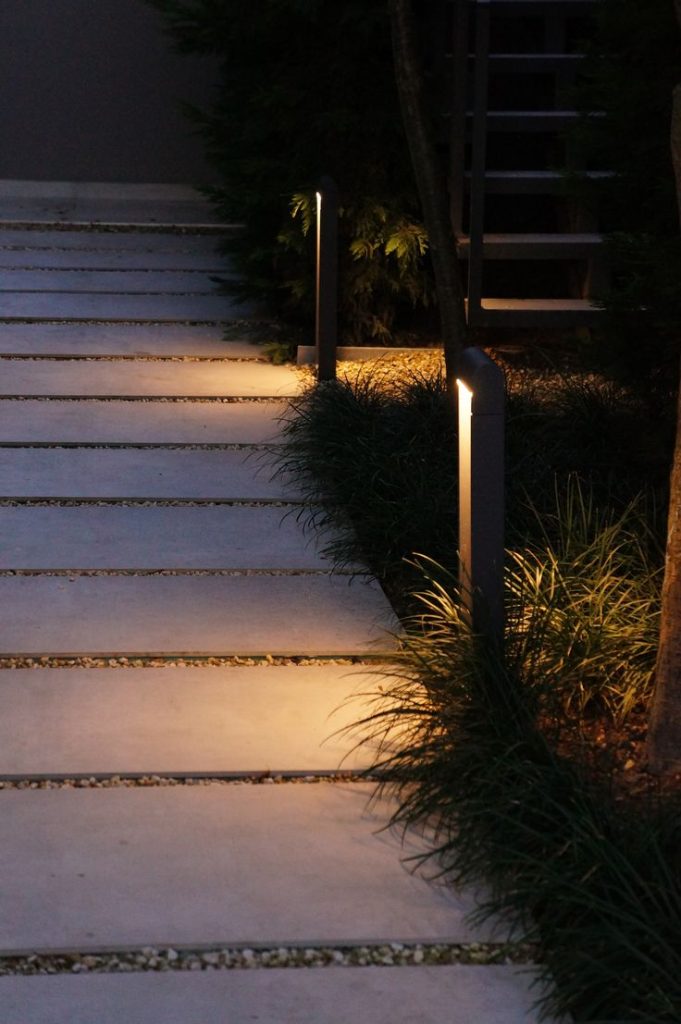
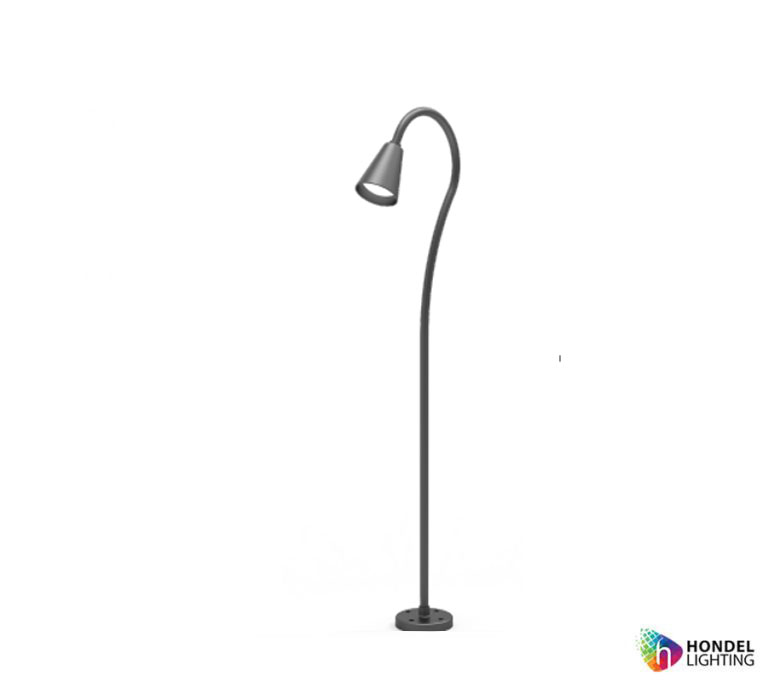
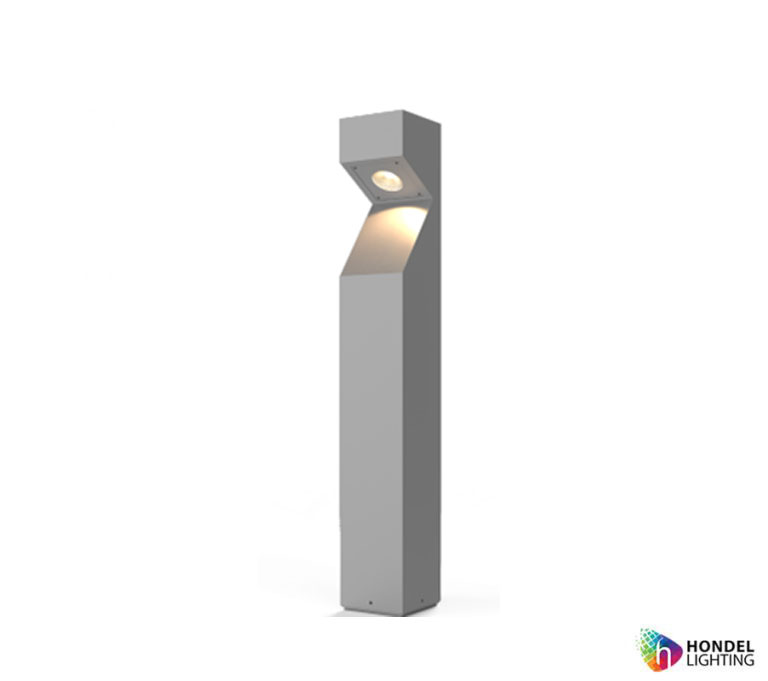
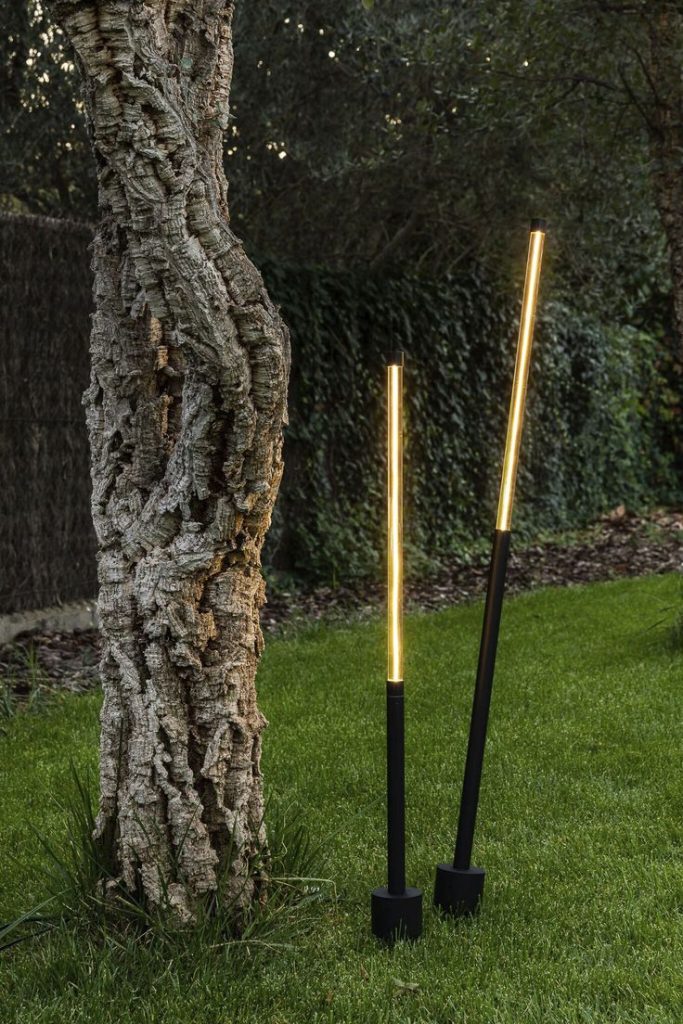
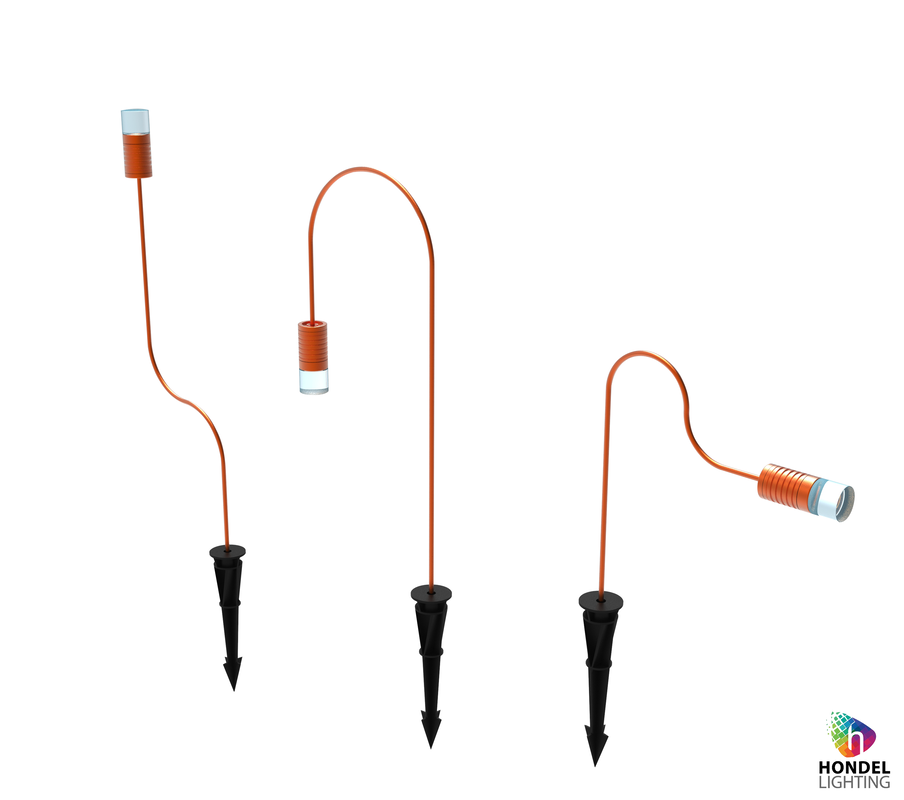
Optimizing landscape path lighting requires precise luminaire placement to manage beam spread and eliminate harsh hot spots. Avoid symmetrical, rigid alignment to prevent the unnatural ‘airport runway’ effect. Instead, utilize a staggered placement strategy to create inviting, alternating pools of light that naturally guide the eye. Furthermore, for long pathway runs across expansive estates, deploying 48V solutions is a critical engineering step to completely avoid the voltage drop that frequently plagues standard outdoor installations.
Uplighting
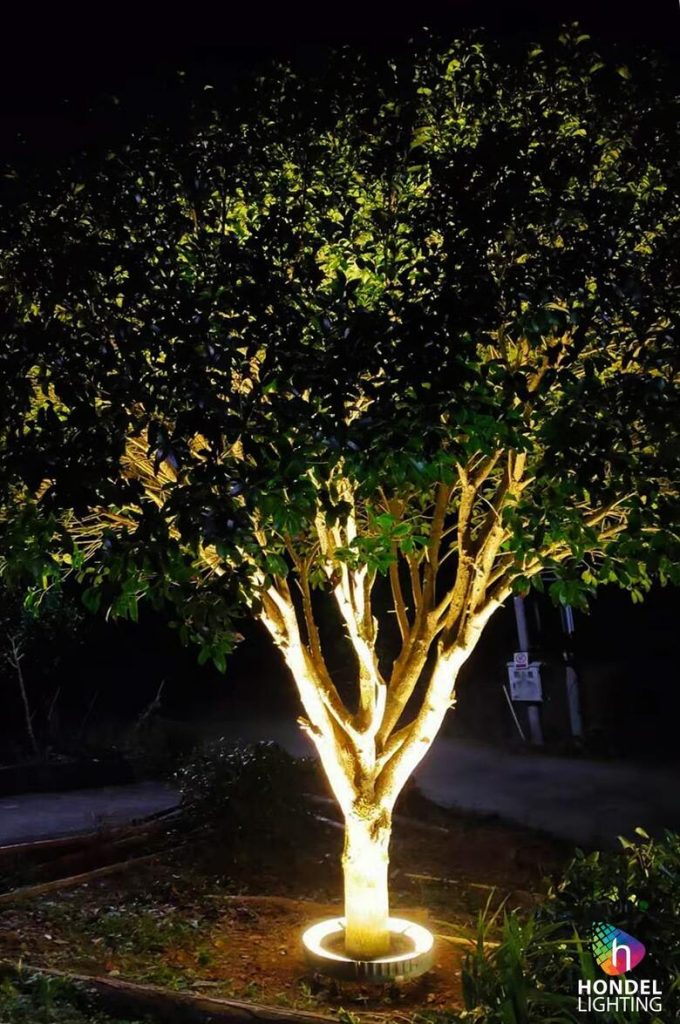
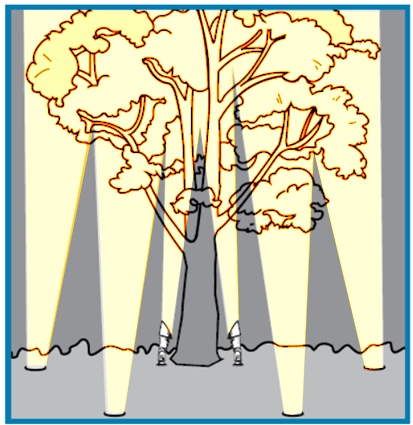
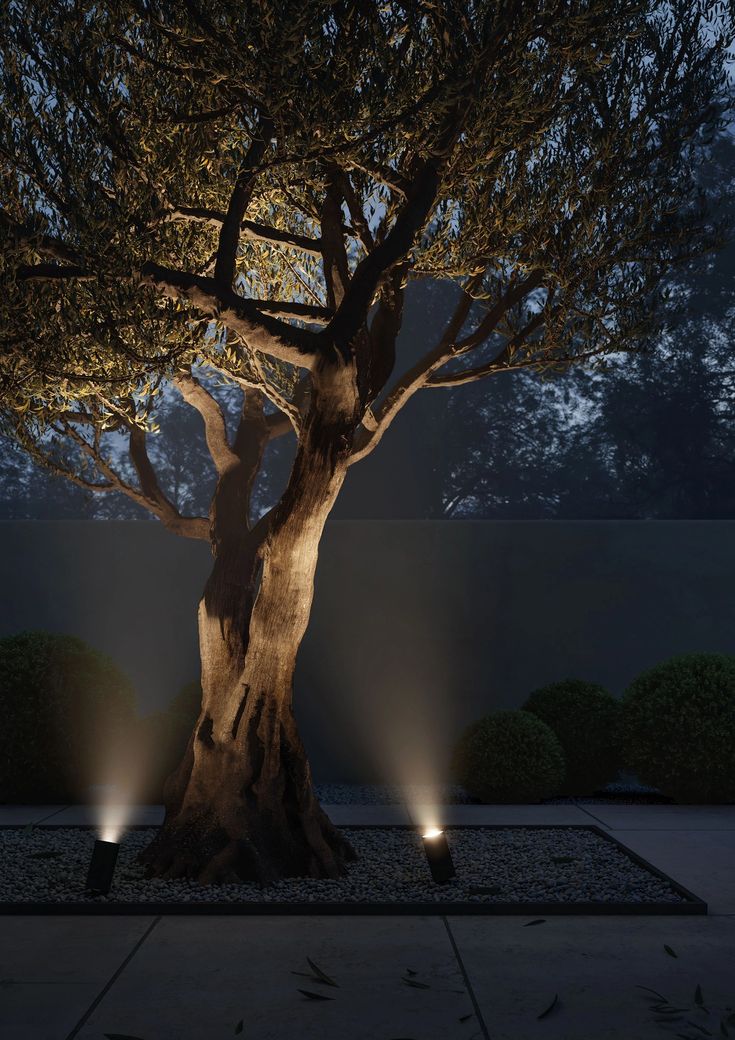
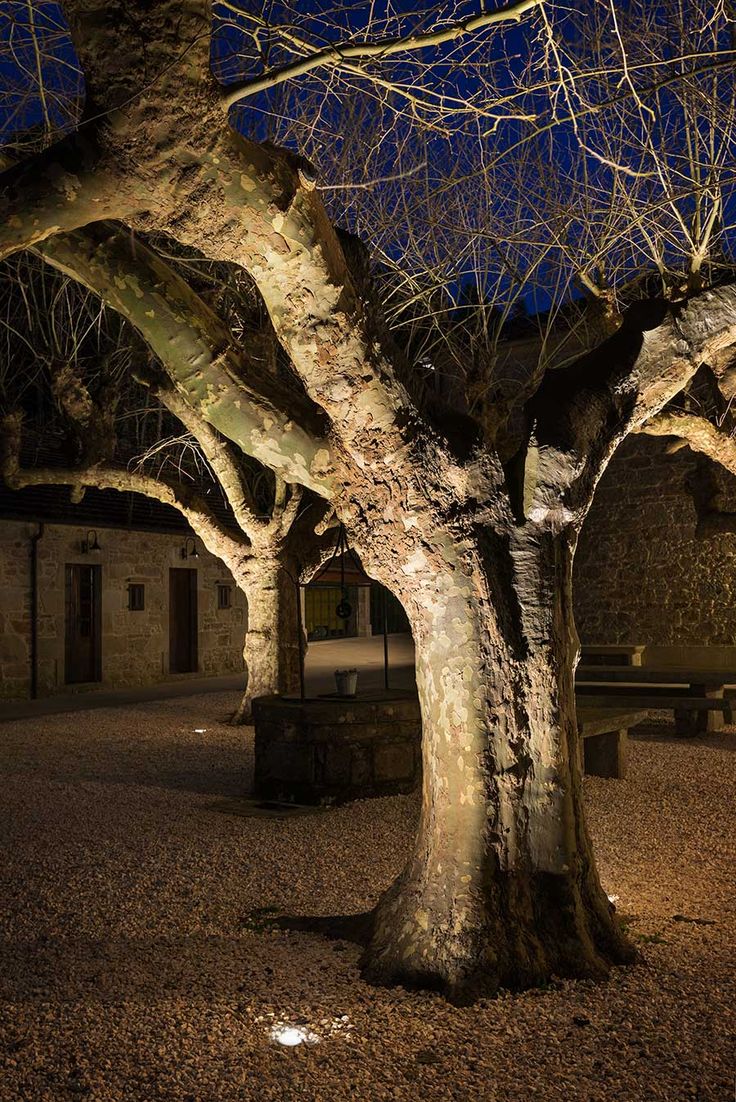
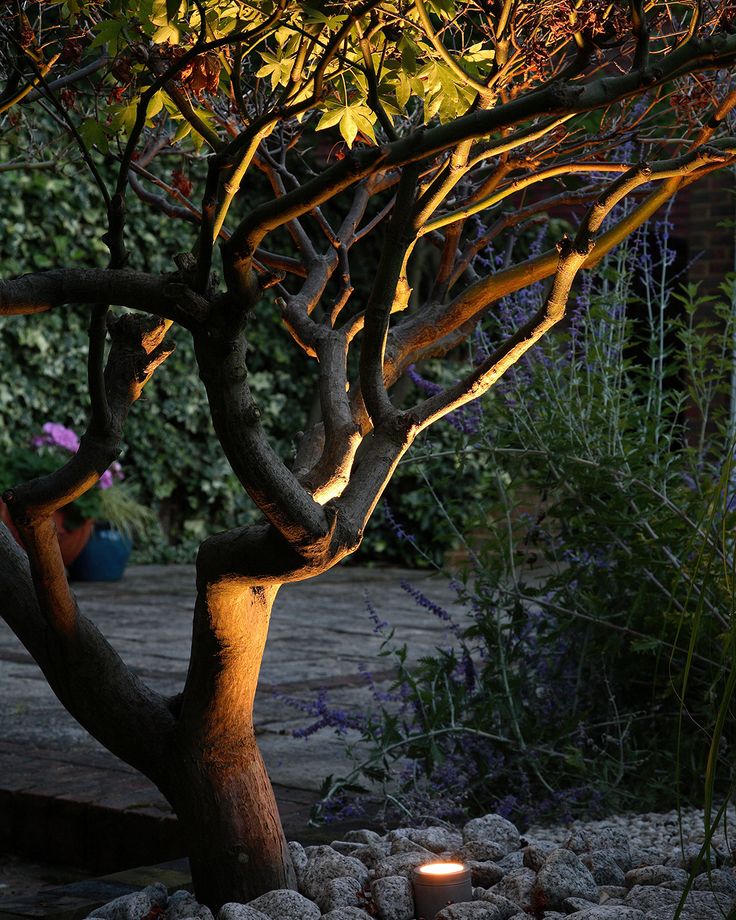
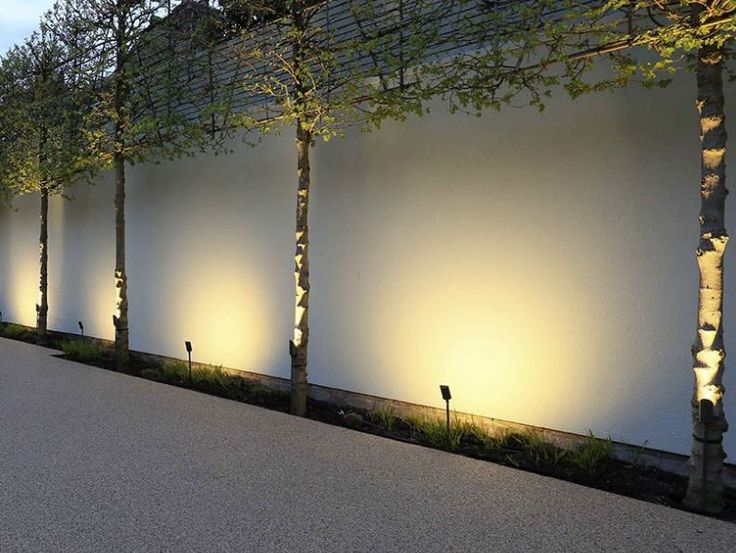
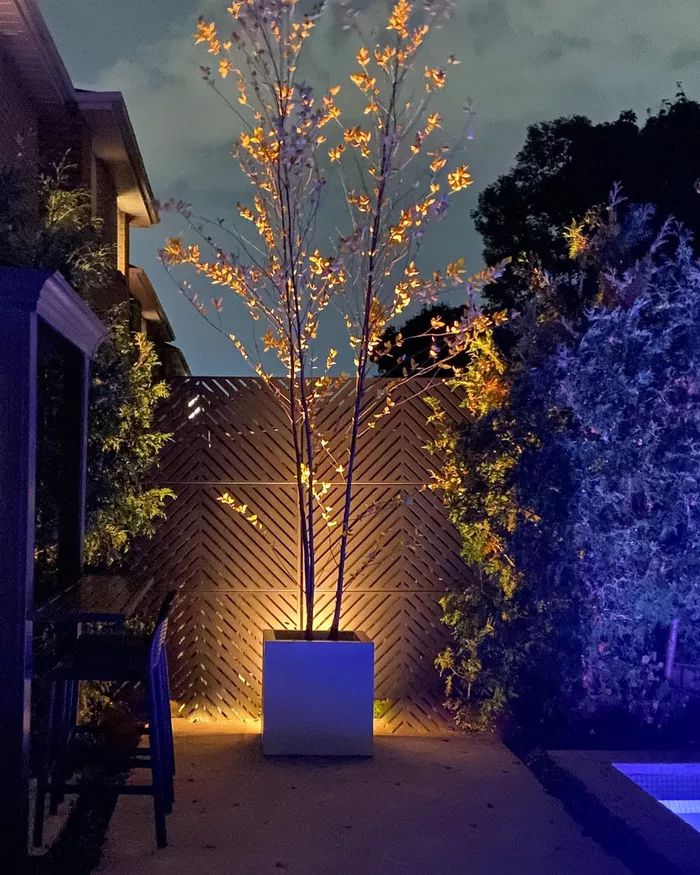
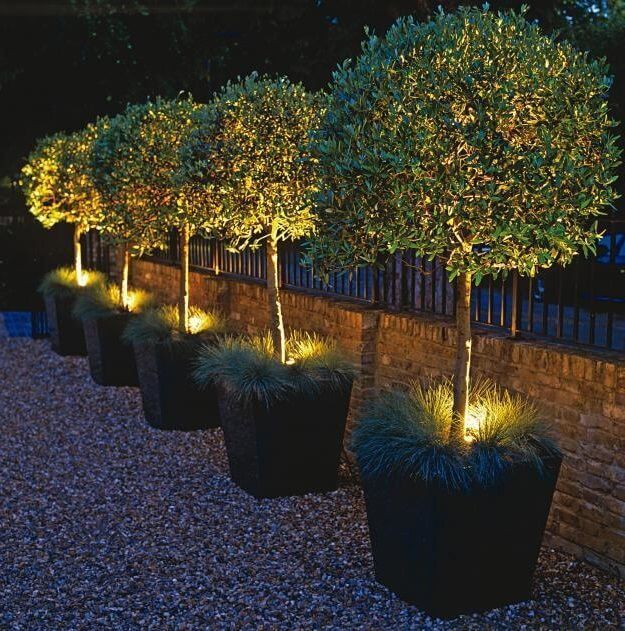
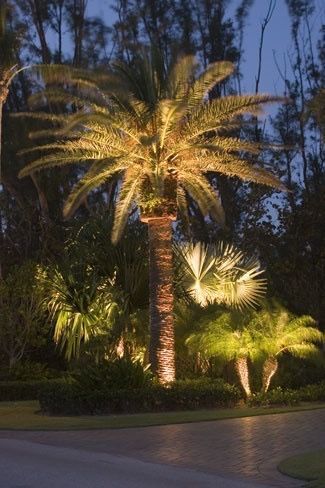
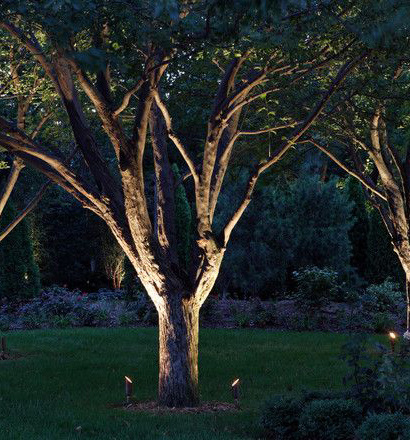
When illuminating dense, coniferous canopies—such as pine or evergreen species—position luminaires just beyond the tree’s drip line. This placement prevents heavy foliage from obstructing the lumen output and casting unwanted shadows, ensuring a clean canopy wash. For these dense structures, maintain a tight fixture spacing of approximately 5 feet. Conversely, for deciduous or open-canopy trees, luminaire intervals can be extended to 8 to 10 feet. To emphasize the structural beauty of the tree trunks, deploy a low-intensity uplighting or soft grazing technique. This subtle lumen wash accentuates the bark’s textural relief and creates a cohesive visual anchor, seamlessly grounding the arbor features to the surrounding landscape.
Grazing
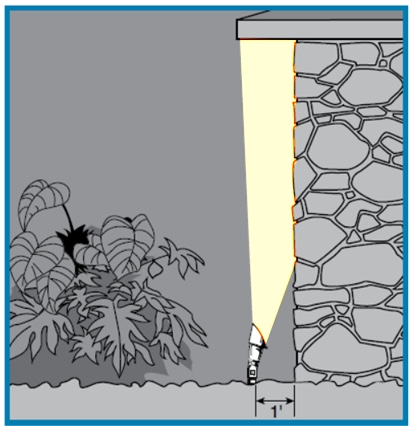
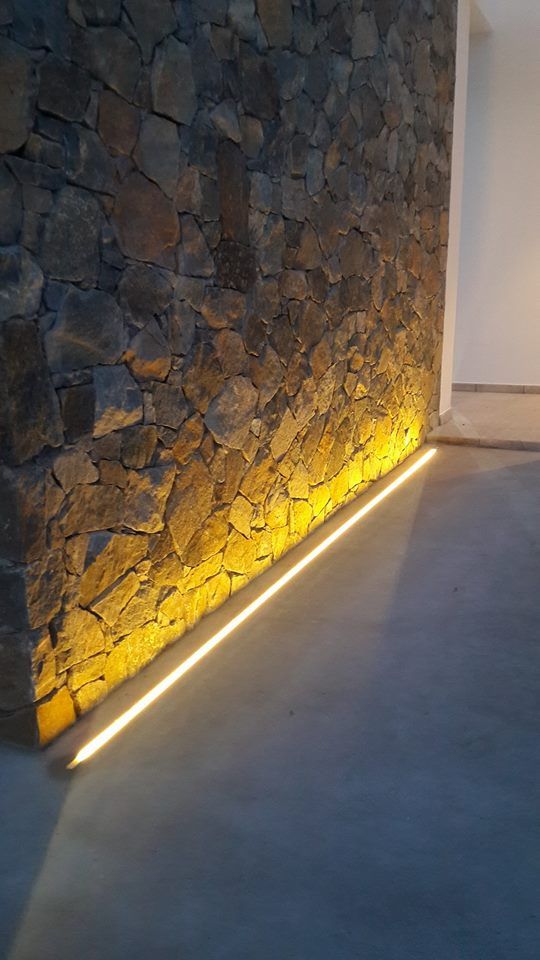
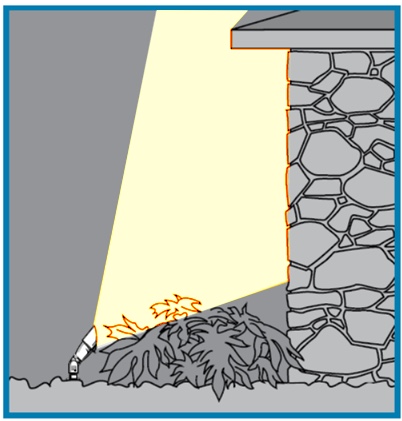
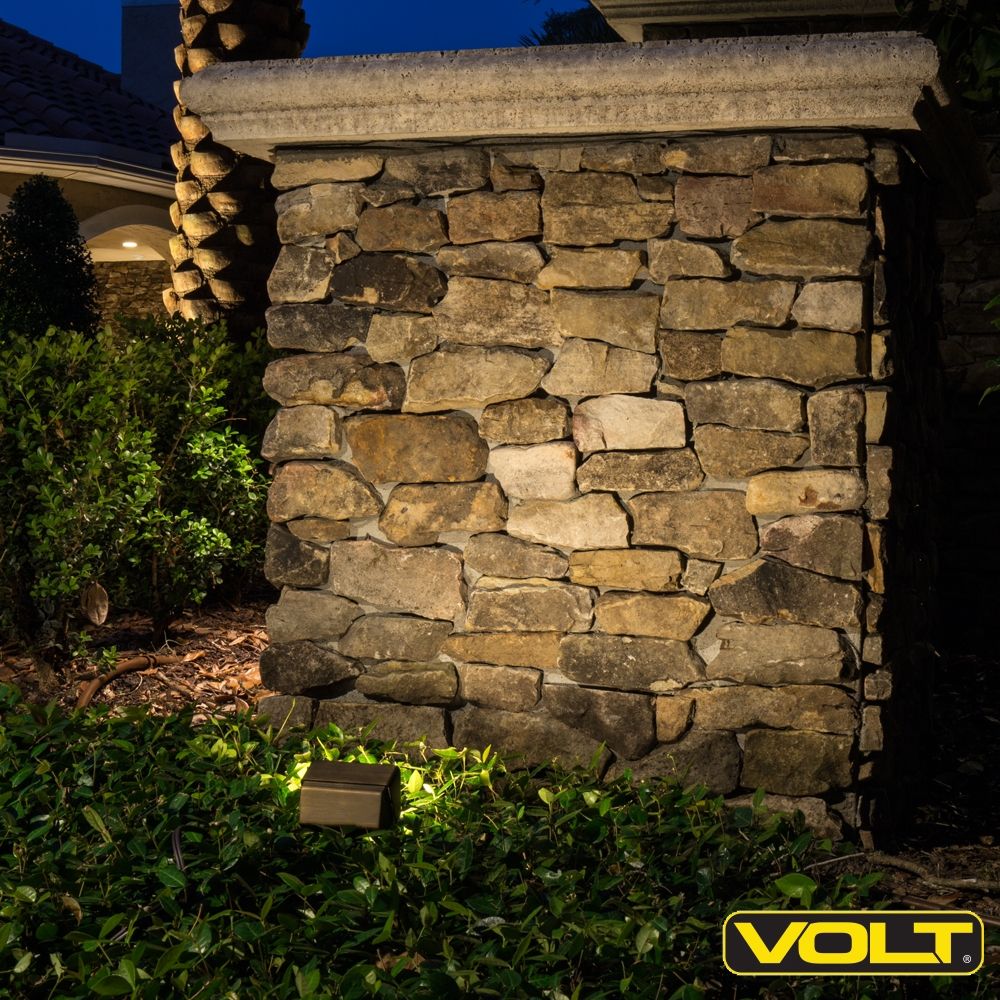
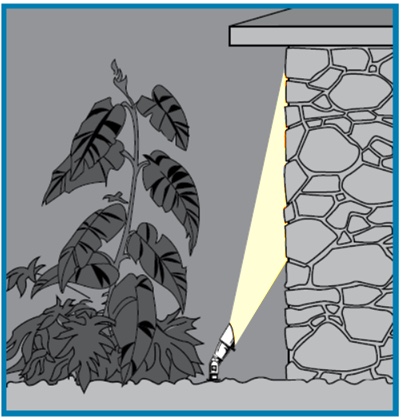
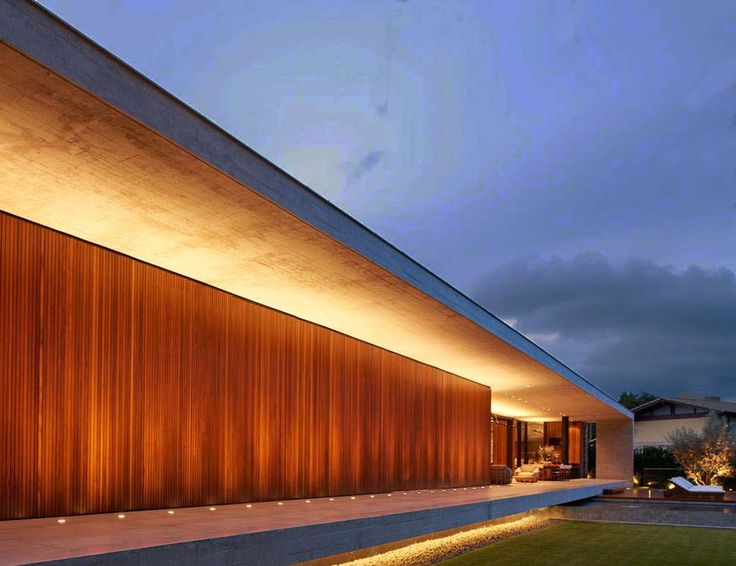
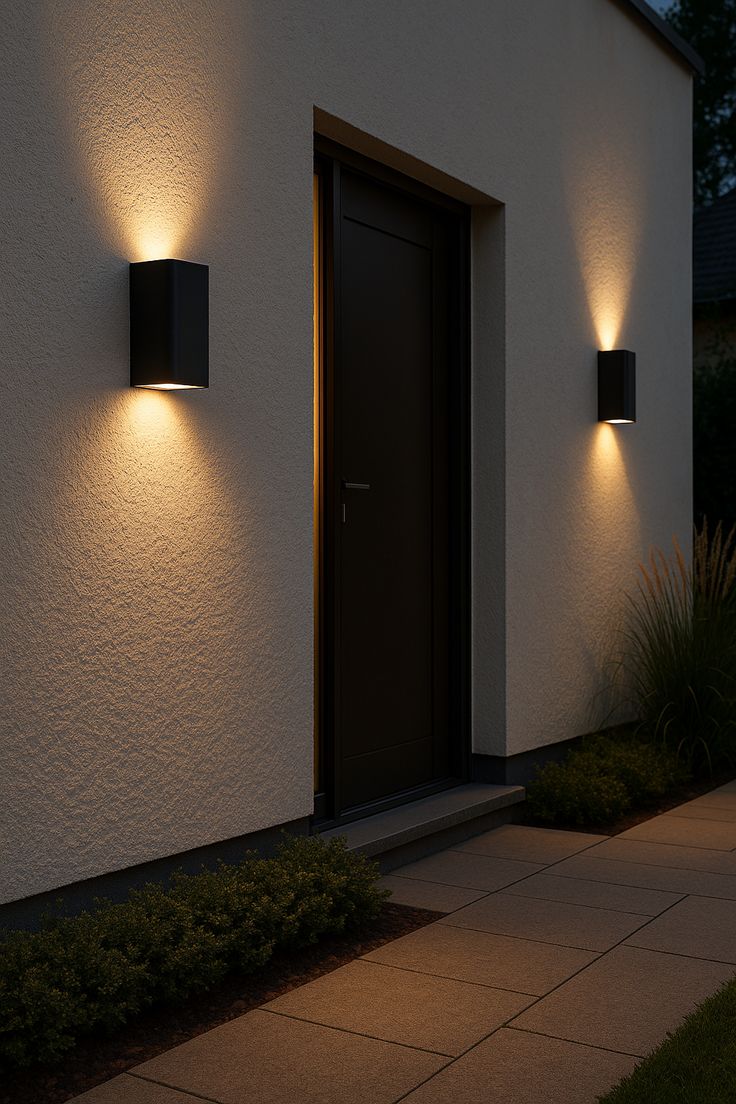
To accentuate the tactile qualities of architectural masonry—such as stone, stucco, and brick—as well as mature arbor features, deploy a structural grazing technique. By positioning luminaires with a tight setback (typically within 12 inches of the target surface) and utilizing a steep optical angle, you can cast intricate micro-shadows that amplify the three-dimensional depth and textural relief of the facade. To mitigate harsh hot spots, known as scalloping, precisely aim the optics slightly away from the surface. This ensures the beam spread distributes the lumen output evenly across the entire vertical plane.
Wall Washing
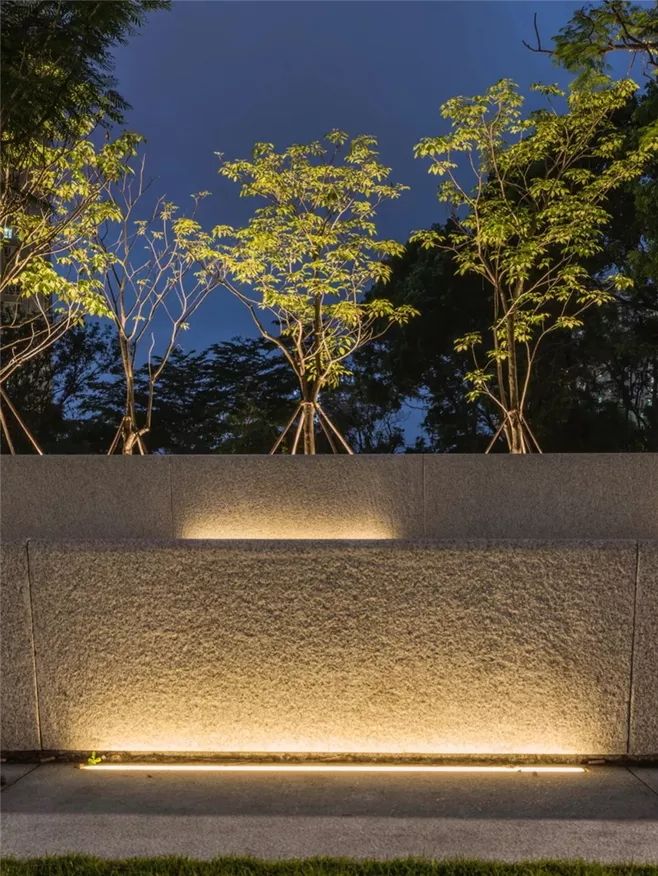
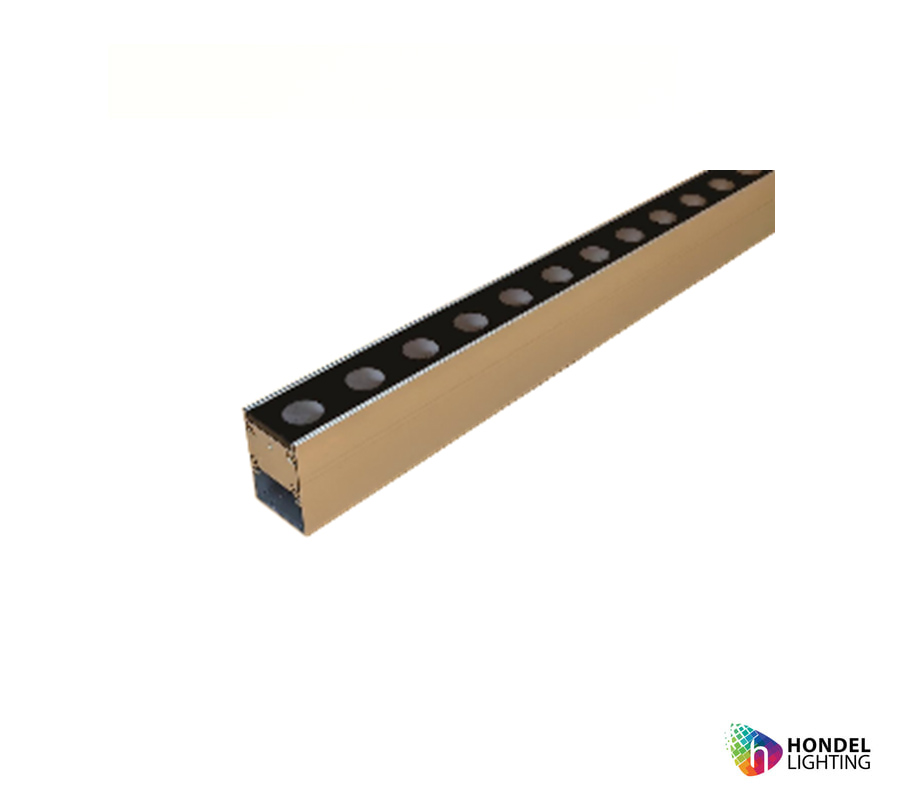
This wall washing technique delivers a highly uniform photometric distribution across low-profile retaining walls and entry monuments. It is engineered specifically for large-scale commercial applications—such as high-end hospitality gateways and gated community entrances—where establishing a premium, high-visibility architectural presence is paramount. However, because this approach prioritizes broad, flat illumination over dynamic shadow play, it is generally over-specified and lacks the desired visual depth for standard residential hardscaping.
Shadowing
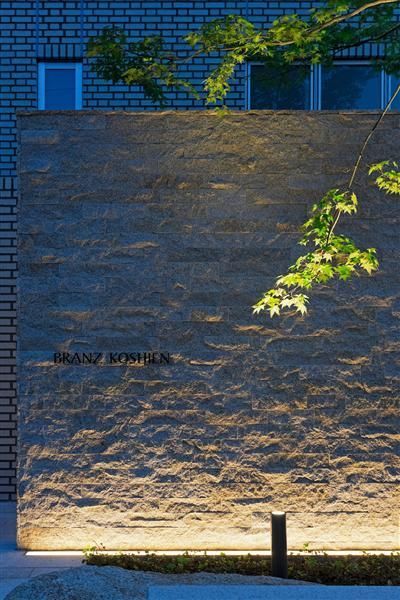
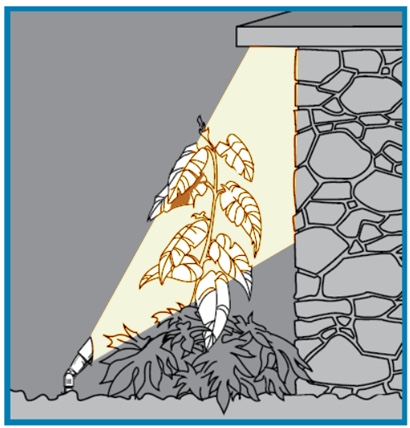
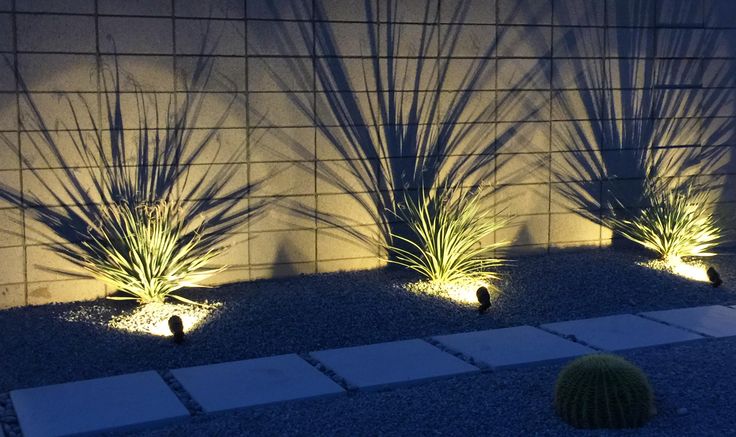
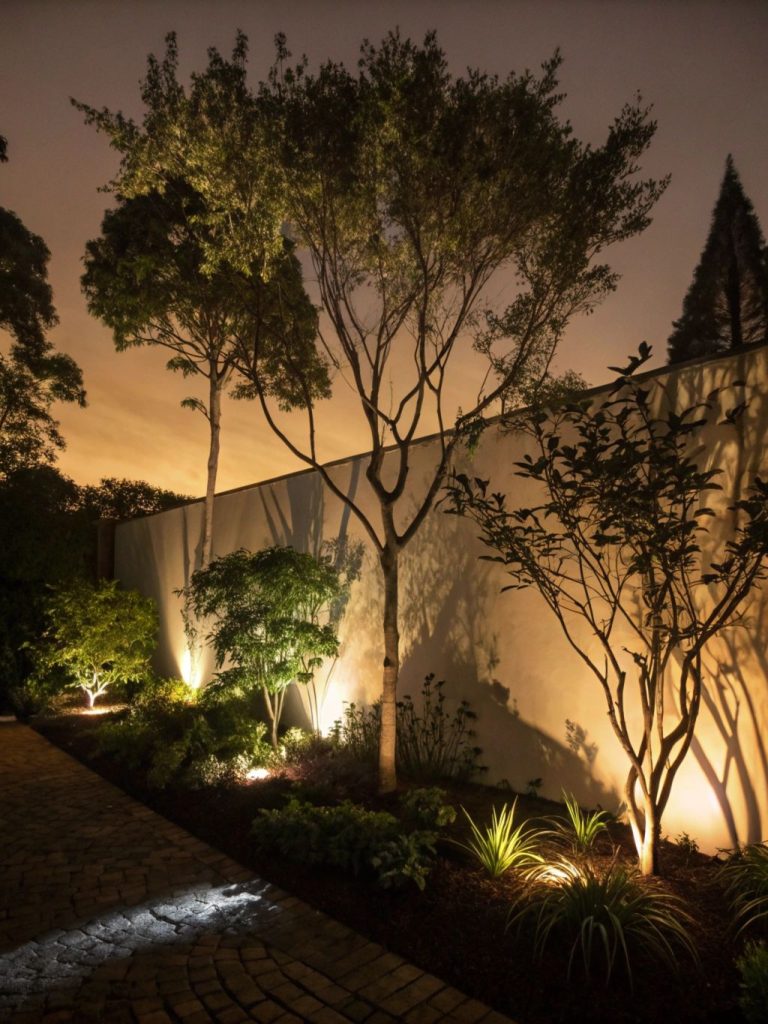
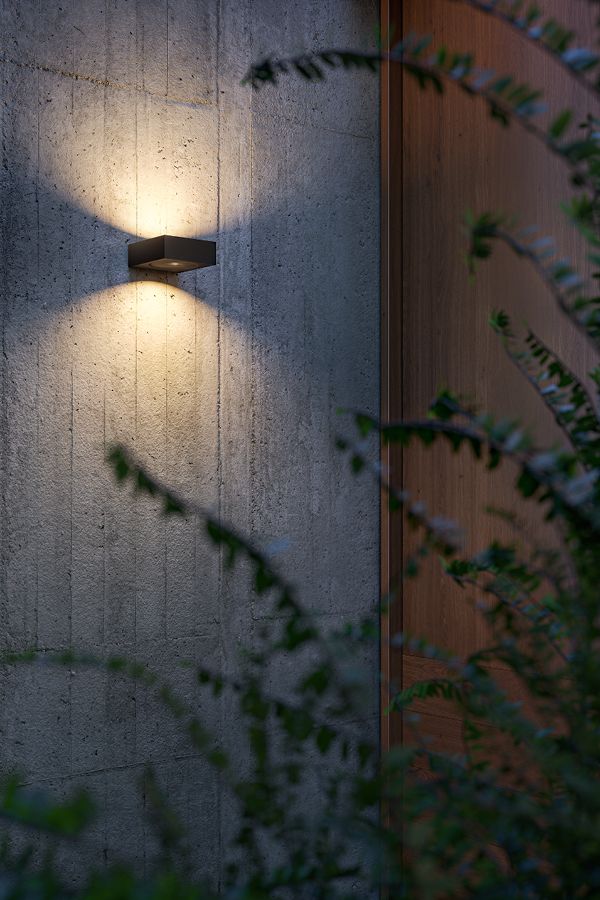
The architectural shadowing technique utilizes targeted illumination to cast dynamic silhouettes onto adjacent vertical surfaces, introducing vital spatial depth to the environment. For monolithic structures or highly linear facades (such as horizontal cladding or continuous masonry), projecting these organic, soft-edged shadow patterns effectively disrupts visual monotony. However, when specifying botanical elements as the primary shadow medium, project managers must factor in ongoing landscape maintenance. As the living canopy matures, periodic luminaire repositioning and beam angle calibration will be required to preserve the structural integrity of the intended projection.
Backlighting
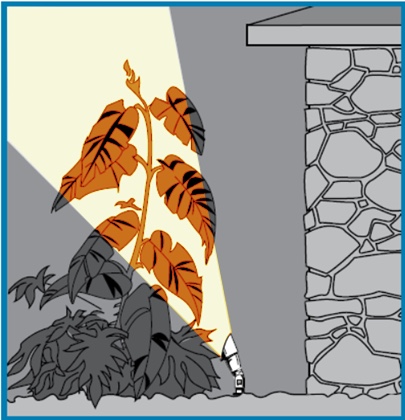
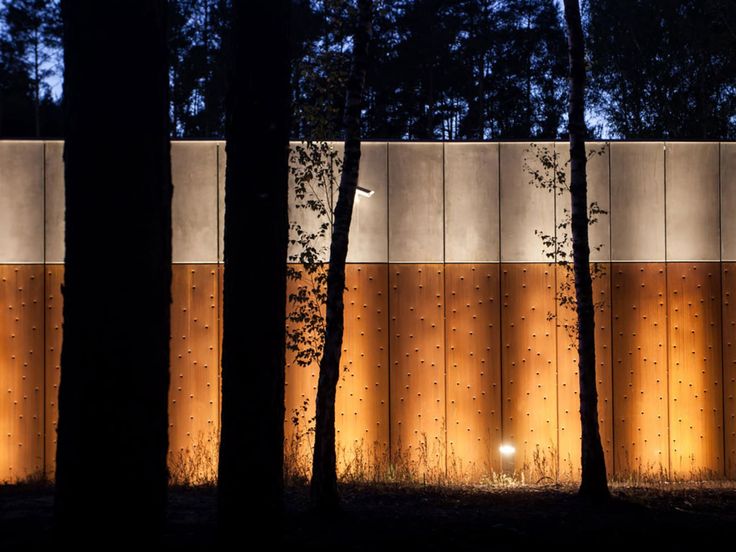
Backlighting is a spatial design technique used to visually separate a subject from its background, emphasizing its structural geometry and establishing nocturnal depth. Often utilized to engineer a dramatic edge-lit halo, this application is highly effective for botanical or architectural elements possessing complex forms. To execute this properly and prevent glare, the luminaire must remain completely concealed from the primary viewing axis. By deploying dual fixtures behind the subject at a precise 120-degree offset, the photometric spread effectively wraps the perimeter, achieving high-contrast visual separation without washing out the subject’s face
Silhouetting
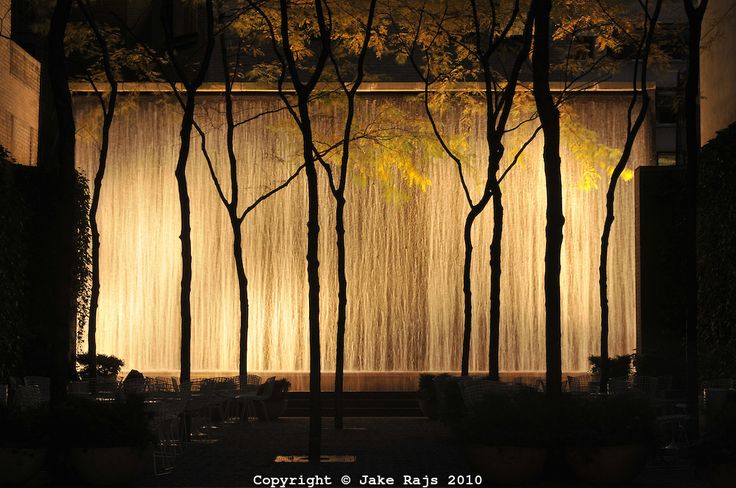
Silhouetting is a high-contrast spatial technique used to render a subject as a bold, dark profile against a broadly illuminated background. Unlike backlighting—which wraps the edges of an object—true silhouetting requires positioning the luminaire between the subject and the adjacent backdrop, aiming the photometric spread directly at the vertical surface behind it. By establishing a uniform wall wash on the background masonry or facade, the unilluminated foreground element (such as an intricate topiary or statuesque hardscape) is transformed into a striking geometric silhouette. To engineer maximum visual drama, strict light control must be maintained to ensure no frontal lumens strike the subject.
Reflective Lighting
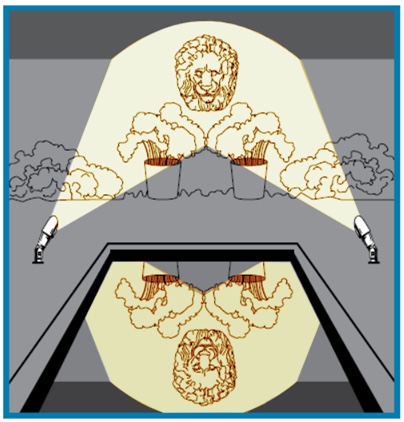
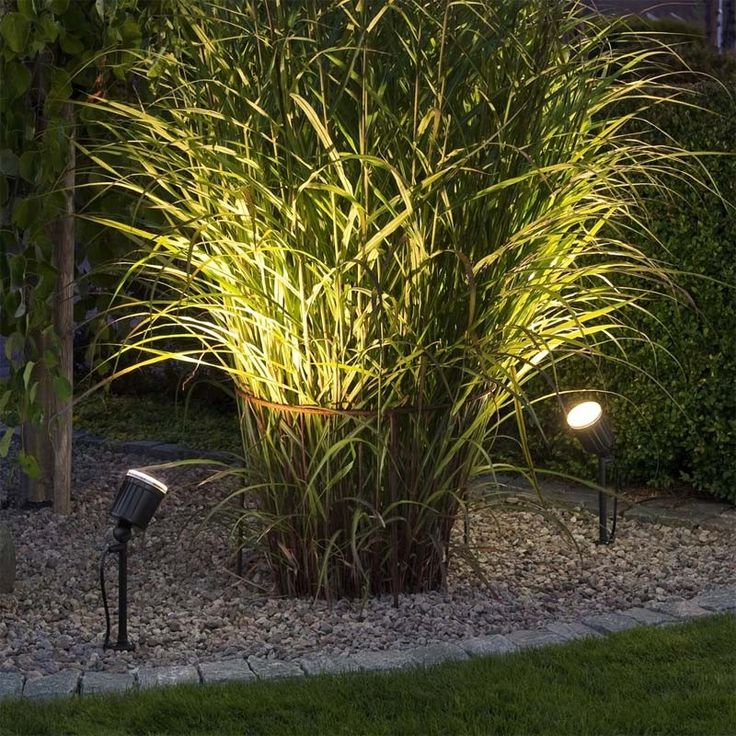
Reflective lighting, commonly specified as indirect illumination, leverages secondary reflectance to brighten a space while entirely mitigating direct fixture glare. By directing targeted uplighting onto broad architectural facades, textured masonry, or dense mature canopies, these structural elements act as large-scale natural reflectors. This engineered bounce effectively converts a concentrated lumen output into a soft, diffused ambient luminescence, seamlessly illuminating the surrounding pedestrian environments and hardscapes without the need for visible, intrusive light sources.
Cross Lighting
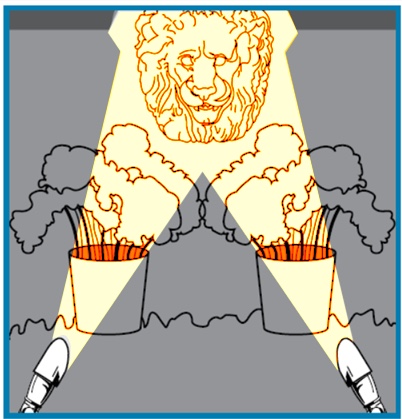
Cross lighting, or multi-axis illumination, is an advanced photometric strategy engineered to amplify the three-dimensional volume and textural relief of a subject. By directing luminaires from converging angles, this technique effectively mitigates the visual flattening and harsh shadowing commonly caused by monodirectional frontal illumination. Frequently deployed to emphasize primary architectural or botanical focal points—such as monumental statuary or dense specimen trees—its success relies on strict optical control. It requires the precise calibration of overlapping beam spreads, balanced lumen output, and staggered luminaire positioning to establish a cohesive, shadow-balanced visual hierarchy.
Wall Lighting
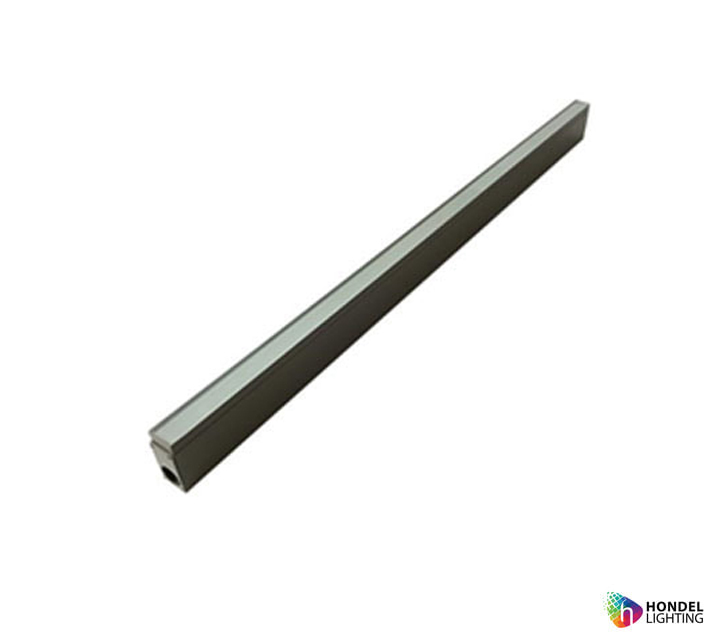
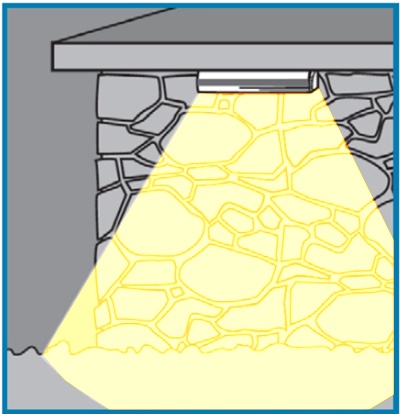
Hardscape and under-cap luminaires are specifically engineered to deliver a controlled, downward photometric wash across retaining walls, freestanding masonry, and adjacent pedestrian pathways. To ensure seamless architectural integration, these premium fixtures utilize ultra-low-profile mounting brackets designed to be completely concealed beneath stone coping or capstones. This discreet, flush-mount installation not only protects the optical components from environmental wear but also guarantees a strictly glare-free lumen output that enhances both structural safety and the textural depth of the masonry.
Featured Lighting
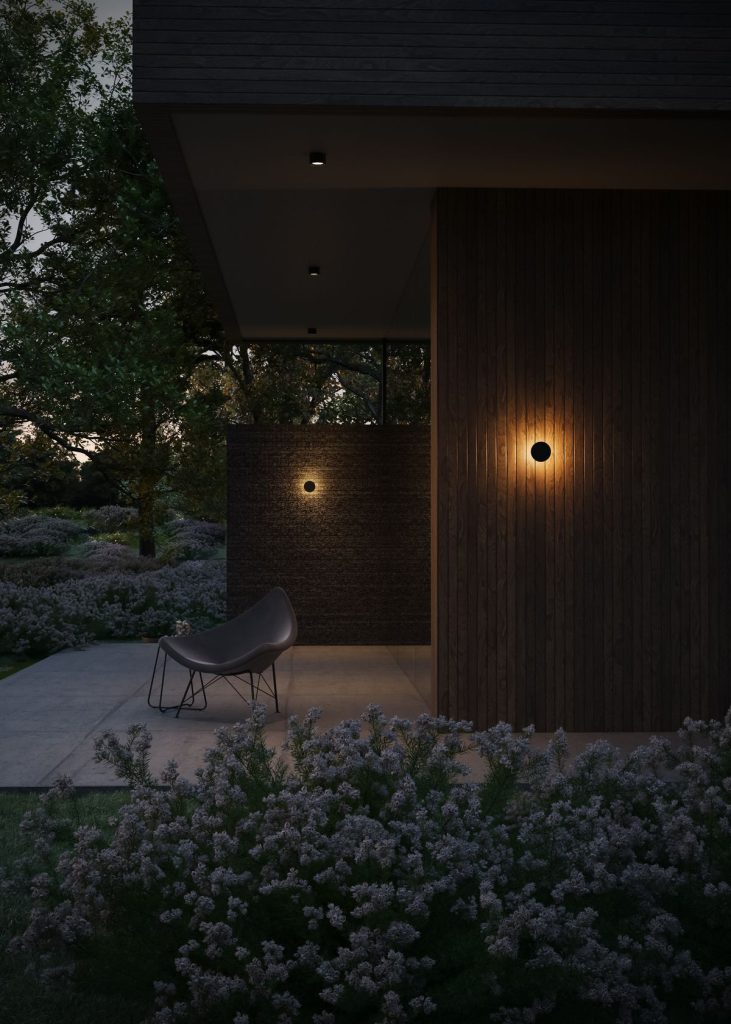
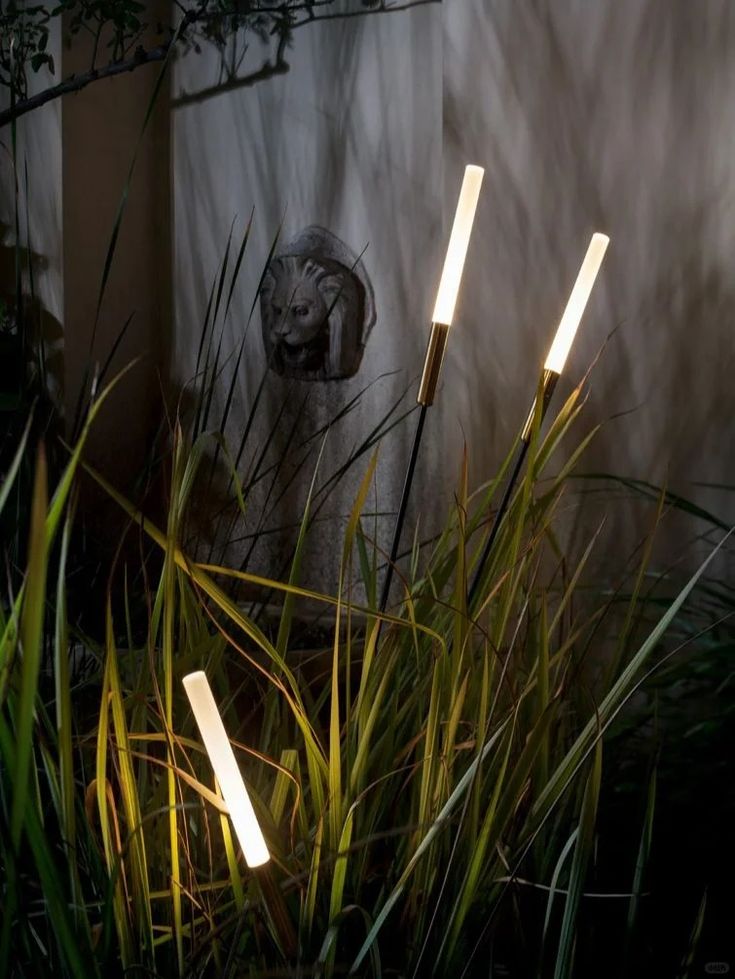
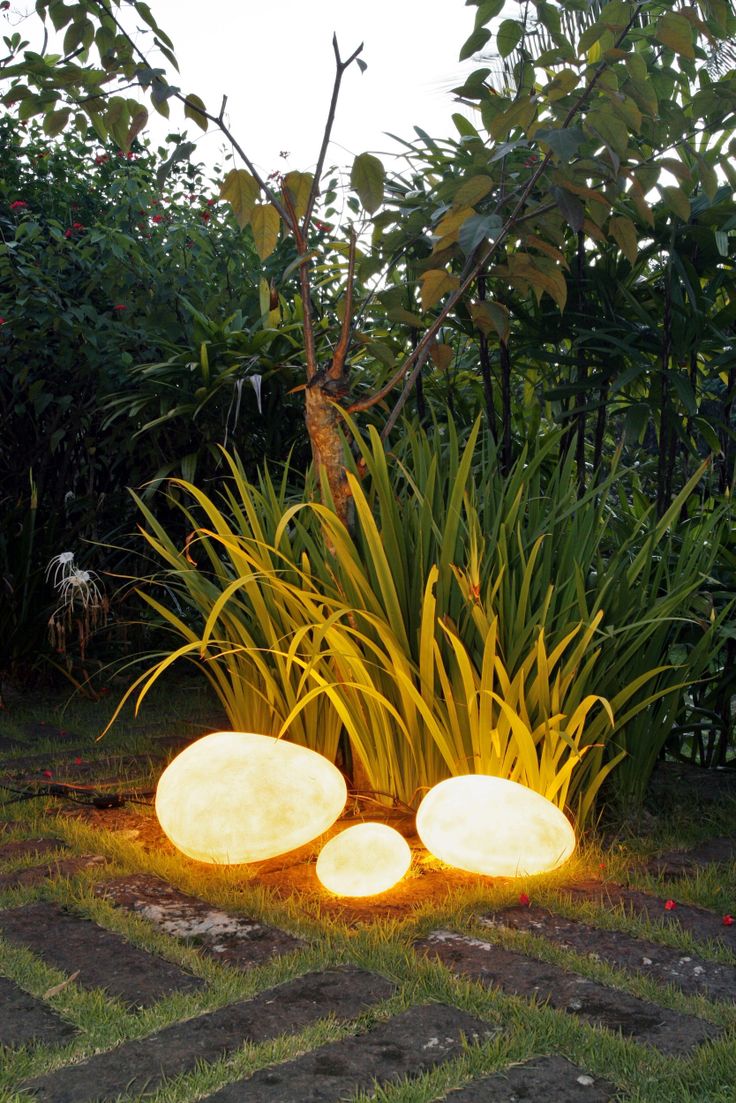
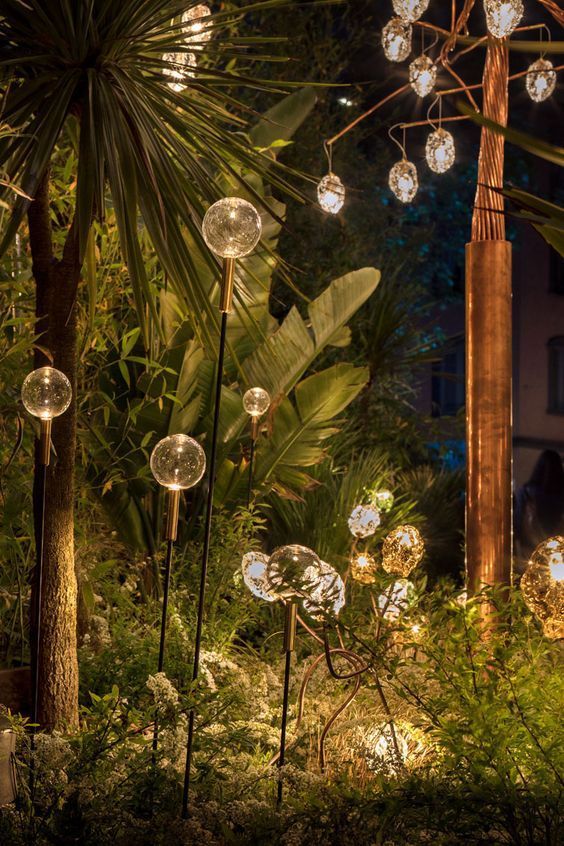
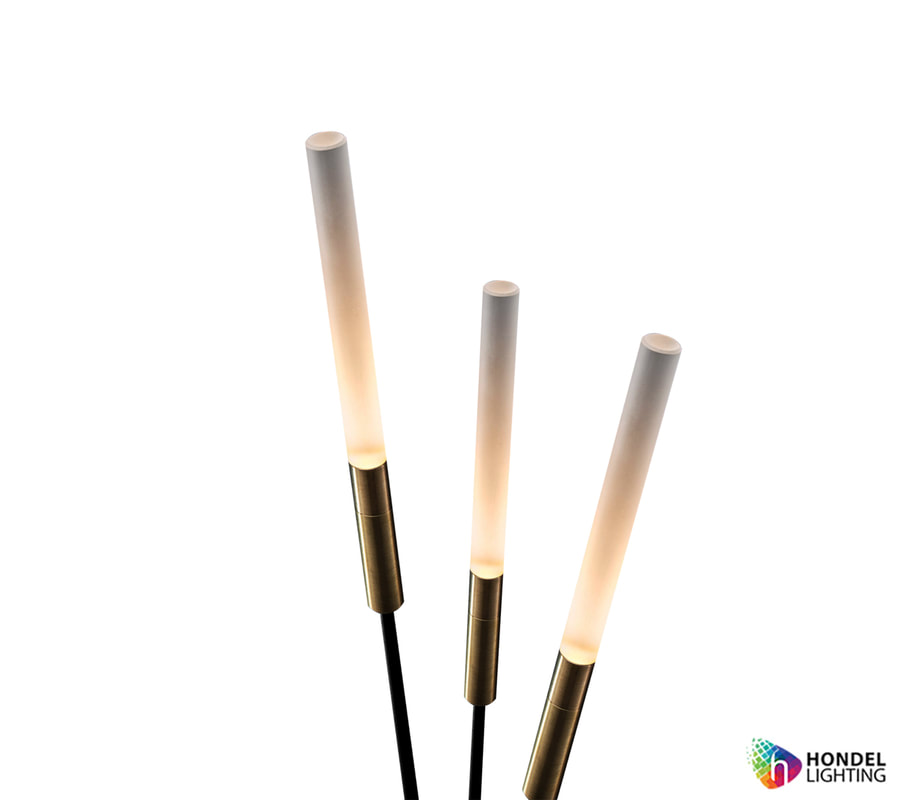
While standard landscape illumination prioritizes fundamental utility, the strategic integration of architectural feature luminaires establishes high-impact visual anchors. By meticulously balancing the assertive luminance of direct-view fixtures with the soft, ambient reflectance of indirect-view applications, designers can engineer a highly dynamic spatial hierarchy. This deliberate layering of direct and indirect photometric strategies elevates standard hardscaping and garden elements into a structurally cohesive, mesmerizing nocturnal environment.
Mastering garden and landscape illumination is not about maximizing fixture counts; it is about strategic architectural integration. Whether you are deploying staggered path lights, highlighting structural water features, or integrating complex DMX control networks for dynamic ambient environments, the backbone of a premium landscape is its technical execution. By prioritizing intelligent system voltage layouts and specification-grade luminaires, Hondel Lighting ensures your outdoor spaces remain as visually stunning at night as they are during the day.
TransformYourLandscapeintoaNocturnalLandmark
Mozammal Hossan Technical Author
Bridging the gap between a landscape architect’s vision and on-site manufacturing reality. I specialize in the technical execution of exterior environments, from structural hardscape illumination to complex canopy lighting. By engineering commercial-grade solutions—such as deploying 48V systems to eliminate voltage drop across sprawling estates—I ensure your landscape lighting performs flawlessly from concept to final installation.
Ready to discuss the technical realities of your next commercial landscape or garden project?
Bridging the gap between a landscape architect’s vision and on-site manufacturing reality. I specialize in the technical execution of exterior environments, from structural hardscape illumination to complex canopy lighting. By engineering commercial-grade solutions—such as deploying 48V systems to eliminate voltage drop across sprawling estates—I ensure your landscape lighting performs flawlessly from concept to final installation.
Ready to discuss the technical realities of your next commercial landscape or garden project?



 العربية