Traditional Usage of Billboards to Modern Use of LED Screens: The Evolution of Outdoor Advertising
Outdoor advertising has undergone a remarkable transformation over the decades. What once began with static billboards has now evolved into high-impact digital LED screens that dominate modern cityscapes. This shift reflects changes in technology, consumer behavior, and the growing need for dynamic brand communication. In this blog, we’ll explore the journey from traditional billboard advertising to the modern use of LED screens and discuss why digital displays have become the future of outdoor media.
Billboard Advertising
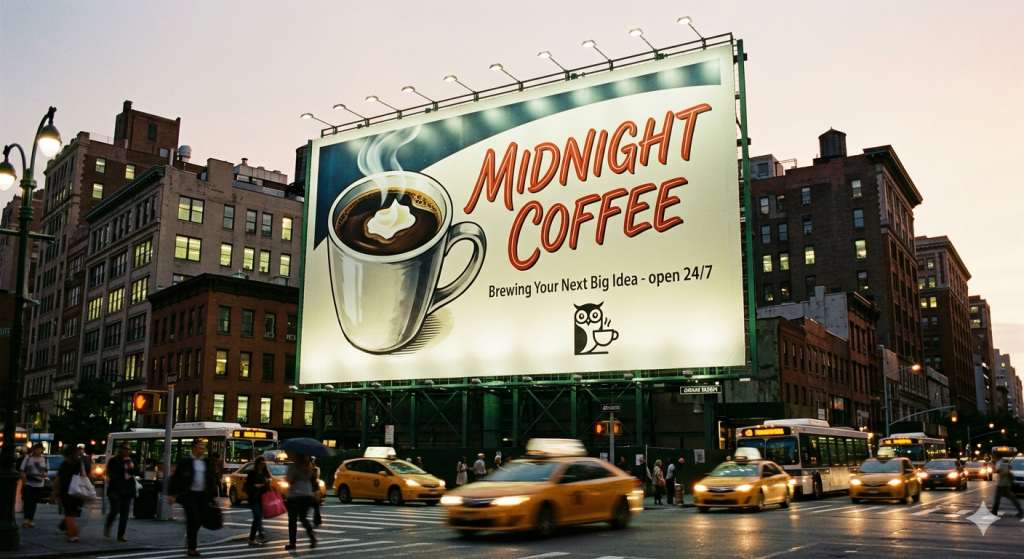
Traditional billboards were the foundation of outdoor advertising for many decades. These static advertising structures were typically made of printed vinyl, flex banners, or painted metal sheets and installed along highways, busy intersections, and commercial districts.
With brands demanding faster, smarter, and more interactive advertising solutions, the industry needed an upgrade which led to the rise of digital LED technology.
Why LED Screens Changed Advertising
LED screens allow advertisers to showcase videos, animations, and dynamic content with high resolution and excellent visibility, even in direct sunlight or at night. Content can be updated remotely in real time, eliminating the need for physical replacements.


 العربية