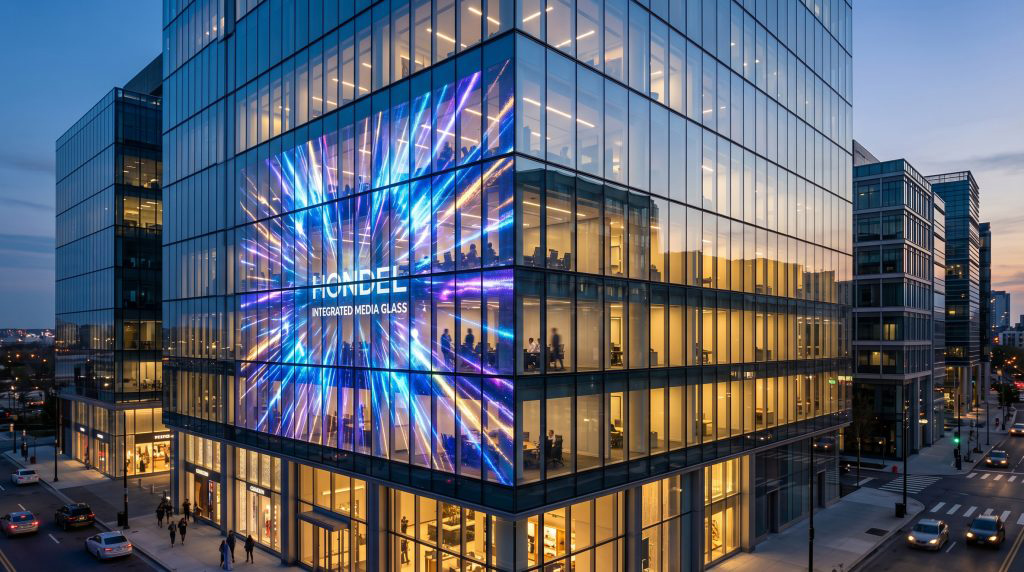
The Best Technology Is Sometimes the One You Hardly Notice For years, installing a large digital display on a building meant preparing for a major construction project. Architects had to consider additional steel frames. Engineers calculated extra structural loads. Businesses planned for scaffolding, drilling, cables, and extended installation schedules. Even after the display was installed, the supporting framework often became part of the building’s appearance; adding weight not only to the structure but also to the overall design. Today, that approach is rapidly changing. Modern transparent display technology has introduced a new philosophy, instead of building a structure to support the screen, let the glass become the platform. This simple yet transformative idea is redefining how architects, retailers, developers, and commercial property owners integrate digital communication into modern buildings. With Adhesive Flexible Transparent LED Screens, alongside Transparent LED Screens and Integrated Media Glass, Hondel Lighting is helping businesses create visually stunning digital experiences without the complexity traditionally associated with LED installations. Sometimes, the biggest innovation isn’t adding more. It’s removing what is no longer necessary.
Why Traditional LED Installations Can Be Complex
Conventional LED displays are incredibly powerful, but they often require significant supporting infrastructure. A typical installation may involve:
For existing glass buildings, these requirements can increase both costs and installation time while limiting design flexibility. In many projects, the supporting structure becomes almost as noticeable as the display itself.
A Different Way of Thinking
What if the display didn’t need a heavy framework? What if it could simply become part of the glass? This is the principle behind adhesive transparent LED technology. Instead of hanging a screen in front of a window, the display is applied directly to the glass surface, allowing the architecture to remain the focal point. The technology works with the building rather than against it.
Adhesive Flexible Transparent LED Screens: Innovation That Sticks
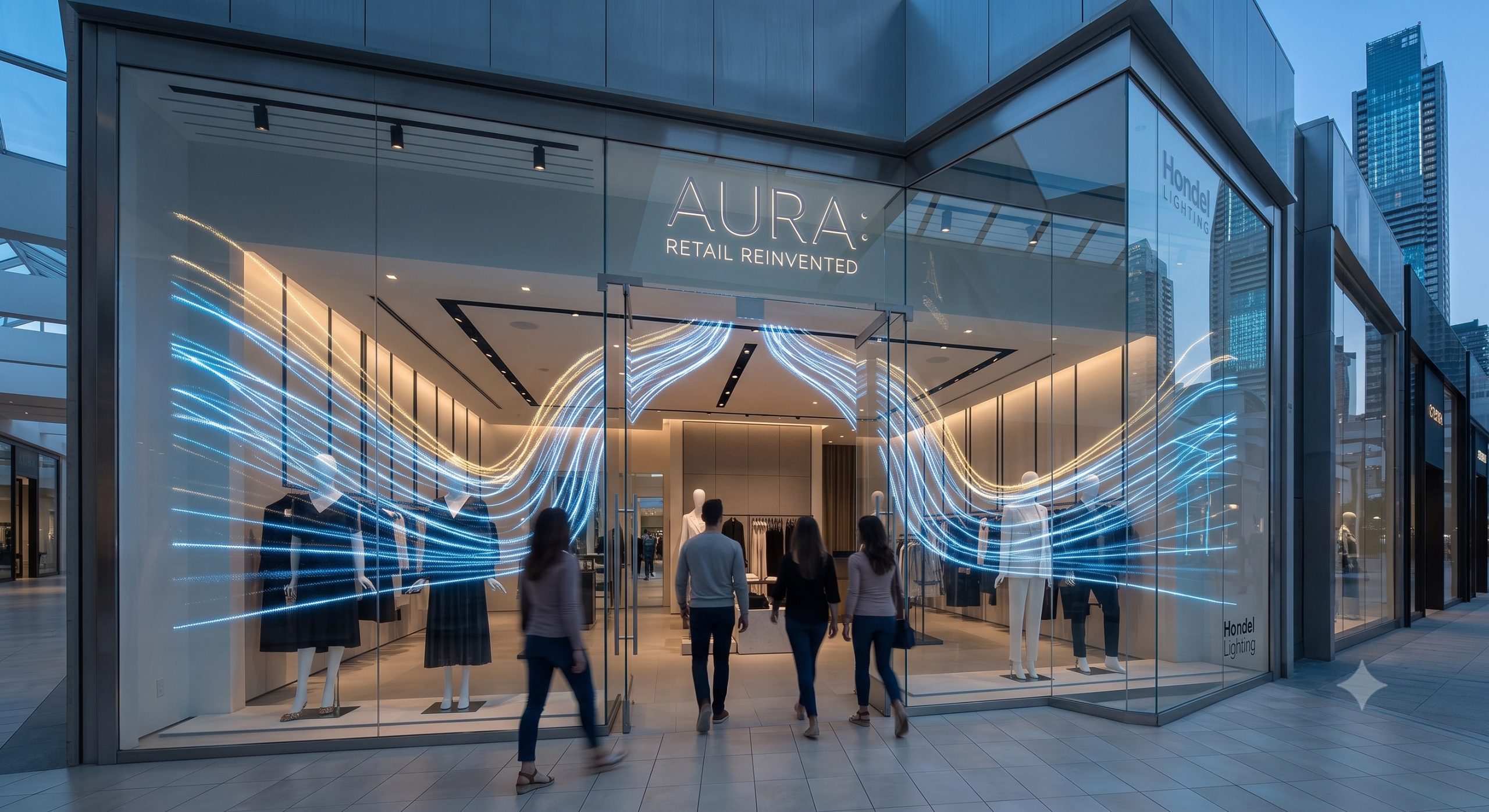
Hondel Lighting’s Adhesive Flexible Transparent LED Screens are designed to be installed directly onto existing glass surfaces using a thin adhesive layer. This approach offers remarkable flexibility for both new and retrofit projects. Rather than replacing windows or constructing elaborate mounting systems, businesses can transform ordinary glass into a dynamic digital communication platform with minimal intervention. The result is a cleaner installation, faster project delivery, and a more refined architectural finish.
Less Construction, More Possibilities
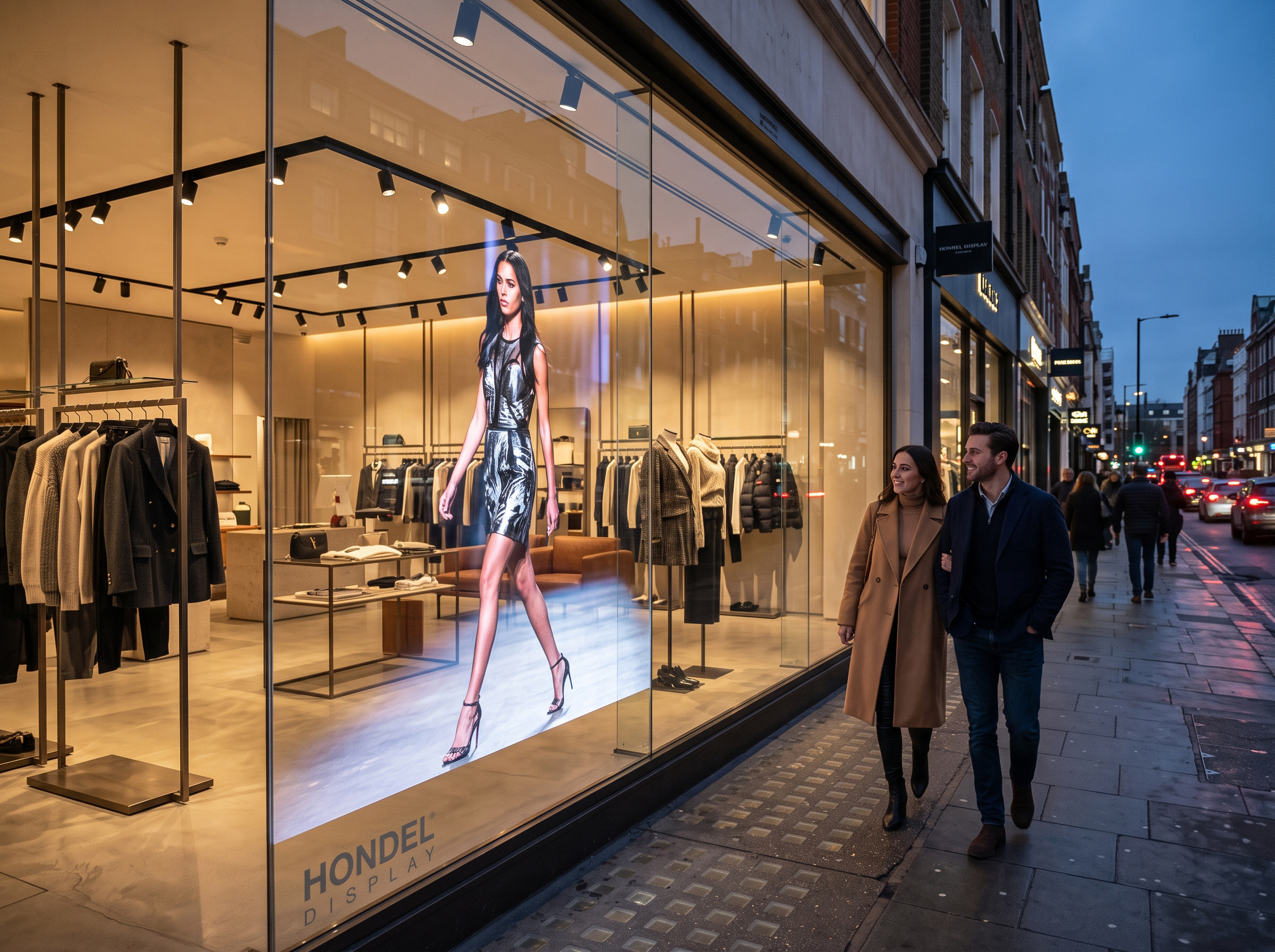
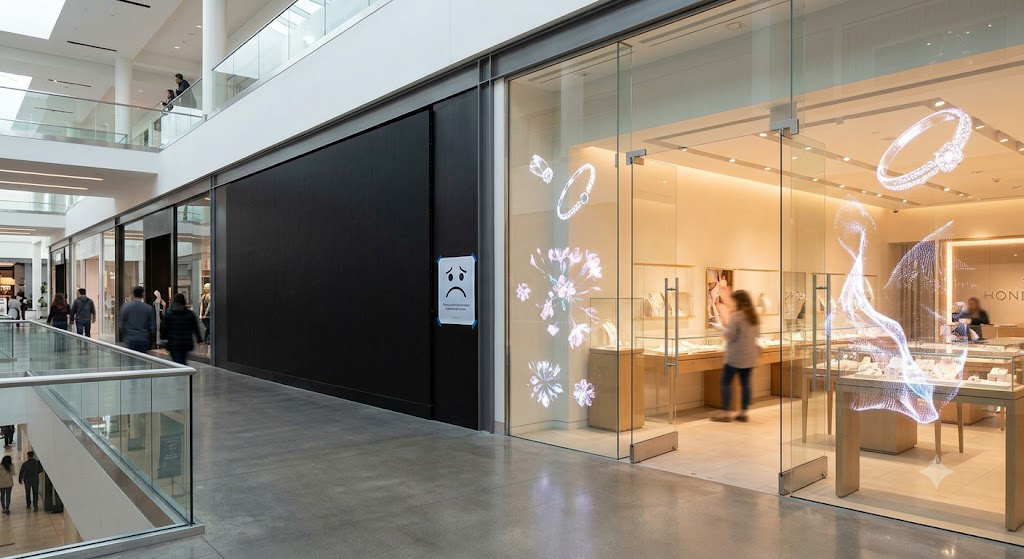
Removing bulky support structures opens new opportunities across a wide range of applications. Retail stores can upgrade storefronts without extensive renovations. Corporate offices can introduce digital branding while preserving elegant glass facades. Shopping malls can modernize entrances without disrupting daily operations. Hotels can enhance guest experiences with dynamic visual content integrated directly into their glazing. Airports, museums, showrooms, and commercial buildings can embrace digital communication without fundamentally altering their architecture. The technology adapts to the building, not the other way around.
Preserving the Beauty of Glass
Glass has become one of the defining materials of contemporary architecture. Its appeal lies in its openness, natural light, and clean aesthetic. Bulky display systems can interrupt these qualities by covering large portions of the facade or introducing visible structural elements. Adhesive transparent LED technology respects the original architectural vision. Because the display integrates directly with the glass, the facade retains its sleek appearance while gaining powerful digital capabilities. The building continues to look like architecture; not a structure carrying a screen.
Faster Installation Means Less Disruption
For many businesses, time is just as valuable as technology. Extended construction can affect customer access, business operations, and project schedules. One of the greatest advantages of adhesive transparent LED solutions is the ability to streamline installation. With fewer structural requirements, projects can often be completed more efficiently, helping reduce downtime and allowing businesses to activate their new digital displays sooner. Whether it’s a flagship retail launch or a corporate branding upgrade, a simplified installation process helps projects move from concept to completion with greater ease.
Flexibility for Modern Architectural Design
Today’s buildings rarely follow a single design formula. Architects work with:
Display technologies must be equally adaptable. Adhesive transparent LED screens are designed to complement a variety of glass configurations, giving designers greater creative freedom without requiring extensive structural modifications. This flexibility makes them an attractive solution for projects where preserving architectural character is just as important as delivering digital impact.
Complementing a Complete Transparent Display Ecosystem
While adhesive technology offers exceptional flexibility for existing glass installations, it is part of a broader family of transparent display solutions. Hondel Lighting’s Transparent LED Screens provide high-impact visual communication for large architectural facades, balancing brightness with transparency. For projects seeking the highest level of integration, Integrated Media Glass combines architectural glazing and digital functionality into a single elegant solution, creating seamless media surfaces that blend technology with design. Together, these technologies allow architects and developers to choose the approach that best fits their project’s goals.
Supporting Sustainable Renovation
Modern architecture increasingly emphasizes adaptive reuse—improving existing buildings rather than replacing them. Adhesive transparent LED technology aligns with this philosophy by enabling digital upgrades without extensive demolition or reconstruction. Instead of replacing glass or adding heavy structural systems, existing facades can be enhanced with dynamic digital capabilities. This approach helps extend the value of existing architectural assets while reducing the need for major physical interventions.
Looking Ahead: Simplicity Will Drive Innovation
As cities become smarter and buildings more connected, the demand for digital communication surfaces will continue to grow. Future architectural technologies will not succeed simply because they are more advanced. They will succeed because they are easier to integrate. Solutions that minimize disruption, preserve design integrity, and simplify installation will become increasingly valuable for architects, developers, and property owners. Adhesive transparent LED technology represents this shift toward innovation that feels effortless.
Final Thoughts
The future of architectural displays is not only about brighter visuals or higher resolutions. It is also about smarter installation. By eliminating the need for bulky support structures and integrating directly with existing glass, Adhesive Flexible Transparent LED Screens make it easier than ever to transform buildings into dynamic communication platforms. Combined with Transparent LED Screens and Integrated Media Glass, Hondel Lighting offers a versatile portfolio of solutions that help businesses embrace digital innovation while respecting the beauty of modern architecture. Because sometimes, the most impressive engineering is the kind that quietly disappears, leaving only elegant glass, engaging content, and limitless creative possibilities.

تهدف Hondel إلى تقديم خدمة عالية الجودة لكل عميل. من بين منتجات LED الأكثر شهرة لدينا، يوجد حل لكل مشكلة إضاءة قد تواجهها. نحن خبراء في مجال إضاءة الواجهة. بالإضافة إلى ذلك، نحن نقدم لعملائنا تجهيزات الإضاءة الأكثر تميزًا - بغض النظر عن مدى تعقيد المشروع.
 English