
 English
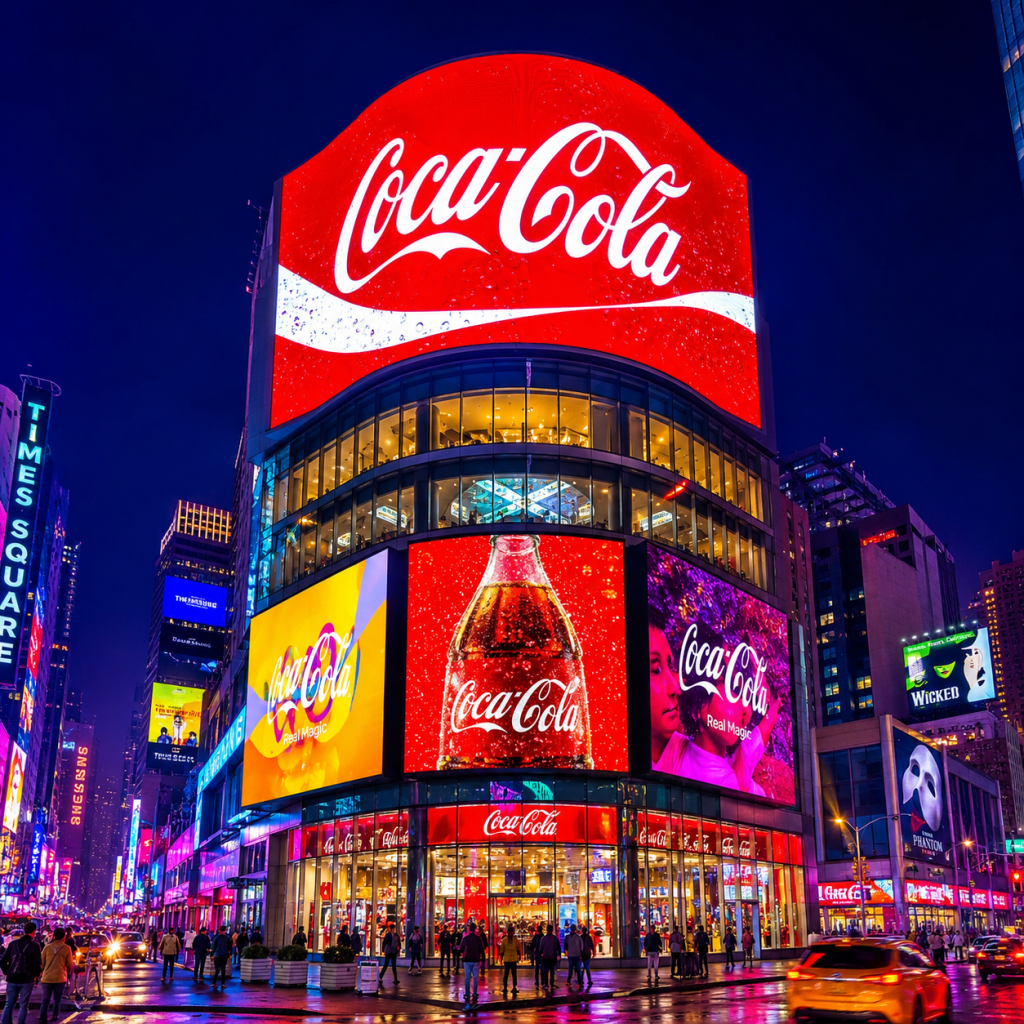
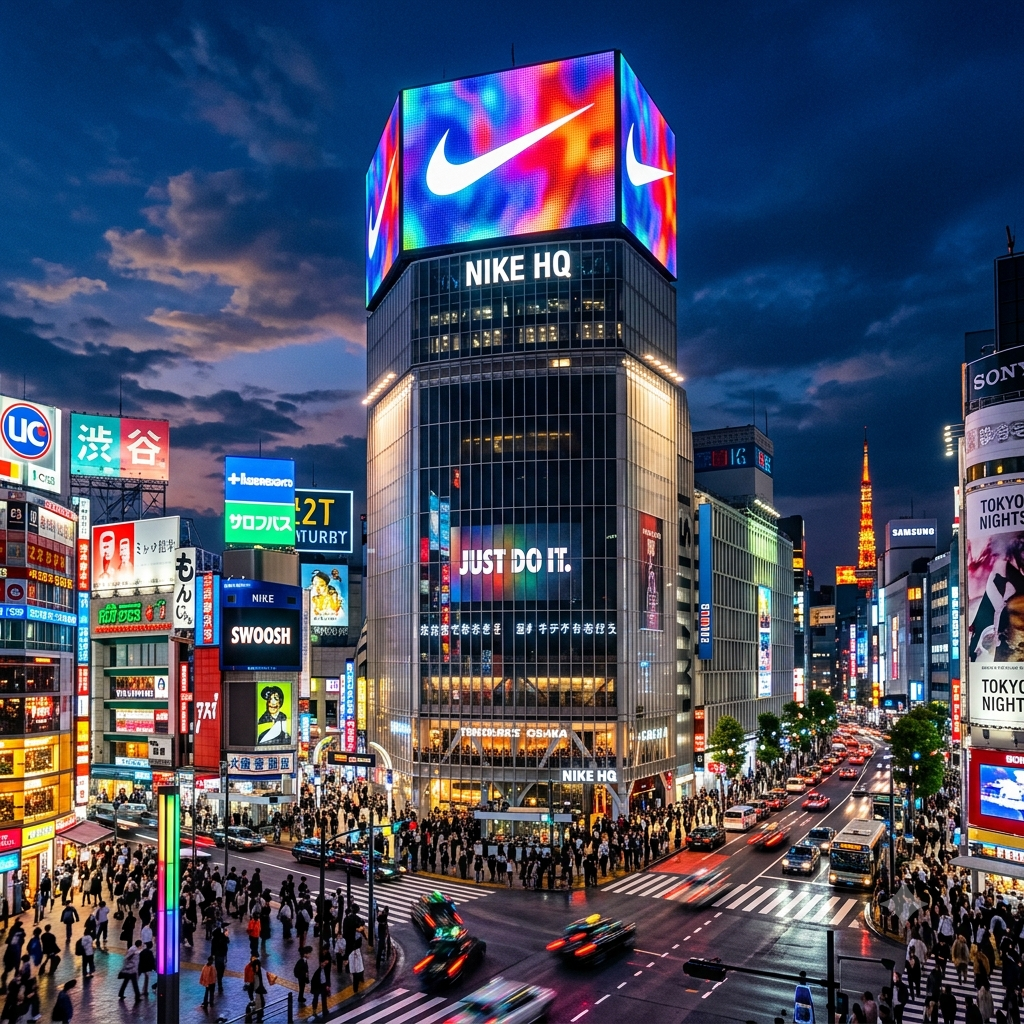
 In the age of attention, buildings are becoming brands. There was a time when a logo lived in predictable places- on business cards, product packaging, billboards, websites, and storefront signs. Today, however, branding is undergoing a dramatic transformation. The logo is leaving the billboard. It is leaving the signboard. And increasingly, it is moving onto the building itself.
Look at the world’s most iconic commercial districts. Modern architecture is no longer merely using brands; it is becoming an extension of brand identity. Corporate headquarters, luxury retail stores, hotels, shopping malls, and mixed-use developments are transforming their facades into immersive branding experiences.
In this new era, the building is no longer just where the brand exists; the building itself is the brand. This shift is being accelerated by innovative technologies such as Transparent LED Screens, Integrated Media Glass, and Adhesive Flexible Transparent LED Screens, which are enabling architects and businesses to merge branding seamlessly with architecture. With advanced display solutions from Hondel Lighting, logos are no longer confined to signs. They are becoming part of the skyline. Welcome to the future of architectural branding.
Branding Has Always Been About Visibility
At its core, branding has one fundamental objective- To be remembered. For decades, companies invested heavily in traditional advertising formats to achieve visibility. Outdoor billboards, printed signage, static advertisements, neon signs, and conventional LED displays remain effective. But modern consumers live in a world saturated with visual content. Thousands of messages compete for attention every day. As attention becomes increasingly fragmented, brands are searching for new ways to stand out. The answer, surprisingly, may be found in architecture.
Why Buildings Have Become the Ultimate Branding Asset
Branding elements such as logos are more visible than the building. A corporate headquarter stands for decades. A flagship retail store becomes a destination. A commercial tower shapes an entire skyline. Unlike temporary advertisements, architecture offers something unique- permanence, presence, and identity. Buildings occupy some of the most valuable visual real estate in any city. They are seen by customers, employees, investors, tourists, commuters, and local communities. Every glance represents a branding opportunity. As a result, organizations increasingly view architecture not simply as infrastructure, but as media. And eventually, it has resurfaced the entire concept of branding to a whole new level.
The Rise of Architectural Branding
Architectural branding refers to the integration of brand identity directly into the built environment. This goes far beyond placing a logo on a facade. It involves designing experiences that communicate brand values, innovation, culture, vision, and personality. Modern consumers expect experiences rather than advertisements. Architecture provides the perfect platform for delivering those experiences. A building can communicate prestige, creativity, sustainability, luxury, and innovation. And increasingly, it can communicate dynamically.
From Static Logos to Living Brand Experiences
Traditional signage is static. Modern branding is dynamic. Brands constantly evolve. Campaigns change. Products launch. Stories develop. Static signs struggle to keep pace. Digital architectural displays solve this challenge by transforming facades into living communication platforms. Hondel Lighting’s Transparent LED Screens enable businesses to display dynamic visual content directly on glass facades while preserving transparency and architectural aesthetics. A corporate building can showcase brand campaigns, product launches, corporate milestones, sustainability initiatives, and seasonal celebrations. The logo evolves from a fixed symbol into an ongoing narrative. Thus, high rise buildings give birth to a new marketing and branding era.
Why Transparency Is Redefining Building Branding
Modern architecture increasingly embraces transparency. Glass dominates contemporary commercial design because it symbolizes openness, innovation, connectivity and sophistication. Traditional advertising often disrupts these qualities by covering facades with opaque signage. Transparent display technology changes the equation. Hondel Lighting’s Transparent LED Screens allow brands to communicate through architecture without sacrificing natural daylight, exterior views, architectural elegance, and interior visibility. The building remains transparent, branding becomes dynamic, and the experience becomes memorable.
Integrated Media Glass- When the Building Becomes the Logo
One of the most significant innovations in architectural branding is Integrated Media Glass. Rather than attaching signs or screens to a building, media functionality becomes embedded directly into architectural glass. Hondel Lighting’s Integrated Media Glass transforms facades into seamless communication platforms capable of displaying rich digital experiences. Imagine a corporate headquarters whose facade subtly visualizes company achievements; a luxury hotel that transforms its exterior to celebrate cultural events; a retail flagship whose entire glass facade becomes part of a seasonal campaign. In these scenarios, the building itself becomes the brand’s most powerful storytelling tool.
Retail Is Leading the Branding Revolution
Retail environments have always understood the importance of first impressions. Today’s consumers often form opinions within seconds. Storefront windows play a critical role in that process. Using Adhesive Flexible Transparent LED Screens, Hondel Lighting allows retailers to transform storefront glass into immersive brand experiences without obstructing product visibility. Retailers can showcase product launches, lifestyle storytelling, interactive campaigns, promotional content, and brand heritage narratives. The storefront evolves from display space into experience space. And experiences drive customer engagement.
The Psychology Behind Architectural Branding
Why are branded buildings so powerful? Because people remember places. Humans naturally associate physical environments with emotions and experiences. A memorable building creates recognition, familiarity, trust, and emotional connection. Architecture has always influenced perception. When branding becomes integrated into architecture, these emotional effects become even stronger. Customers don’t simply remember an advertisement. They remember the place. And places create lasting impressions.
Digital Facades and the Attention Economy
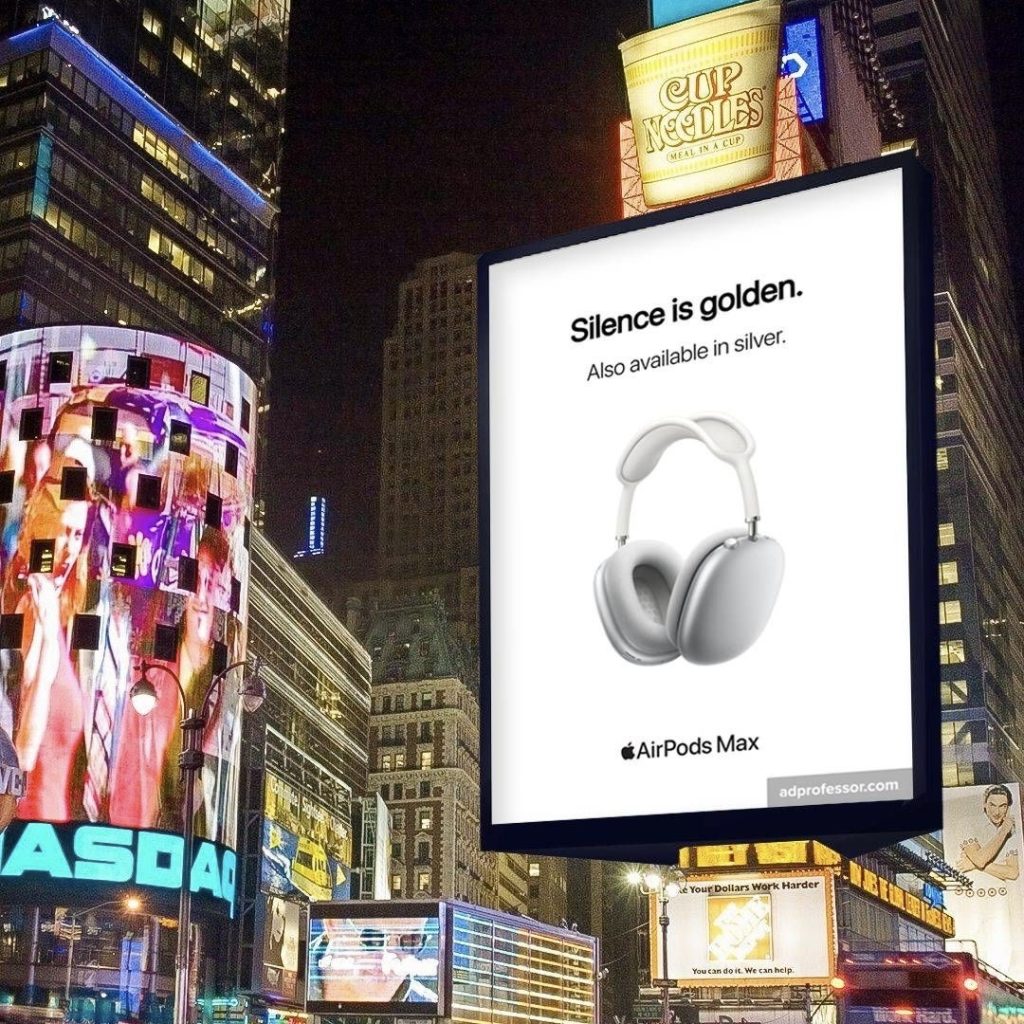
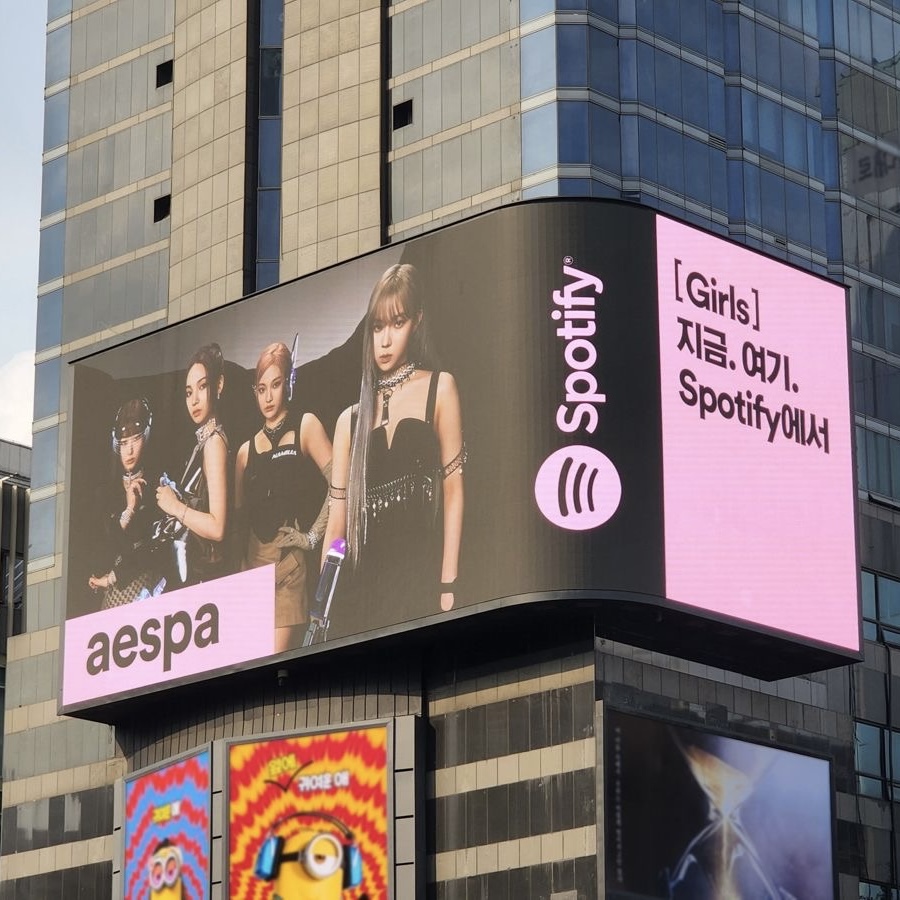
We live in an attention economy. Every brand competes for visibility. The challenge is no longer simply being seen; it is being remembered. Digital facade technology enables brands to create memorable urban experiences that stand apart from conventional advertising. Media facades can capture attention, generate social media engagement, create iconic landmarks, enhance brand prestige, and increase public interaction. The building becomes both communication platform and cultural asset.
Smart Cities Need Branded Experiences
As cities become smarter and more connected, buildings will increasingly serve multiple functions. They will not only provide space. They will communicate information, support community engagement, deliver immersive experiences, and express identity. Transparent architectural display systems support this transformation by allowing communication to blend seamlessly with urban design. Hondel Lighting’s display technologies help brands participate in the evolving visual language of smart cities while preserving architectural integrity.
Beyond Logos- The Rise of Experiential Branding
The future of branding extends beyond logos. Modern audiences expect authenticity and experience. A logo may introduce a brand. But experiences define it. Architectural media allows businesses to create immersive narratives that communicate innovation, sustainability, heritage, creativity, and human connection. This shift marks the evolution from visual branding to experiential branding. And buildings are becoming the stage.
The Future Skyline Will Be Branded
Tomorrow’s skylines may look very different from today’s. Buildings will no longer simply display signs. They will express identities. Corporate towers will communicate company values. Retail stores will tell dynamic stories. Hotels will create immersive guest experiences. Public spaces will become interactive environments. Through technologies such as Transparent LED Screens, Integrated Media Glass, and Adhesive Flexible Transparent LED Screens, Hondel Lighting is helping shape this future. A future where architecture and branding become inseparable.
Final Thoughts
Branding has always evolved alongside technology. Today, architecture is emerging as the next great branding medium. By integrating digital communication directly into the built environment, businesses can create stronger emotional connections, richer customer experiences, and more memorable identities. Hondel Lighting’s innovative transparent display solutions are empowering organizations to transform buildings into powerful storytelling platforms without compromising architectural beauty. Because in the cities of tomorrow, the most recognizable brands may not be found on billboards. They may be found in the buildings themselves. And that is the new face of branding.